In mid-March 2026, I received an email from Gautam Sen introducing me to Cristina Stoica of Retro Cars Romania. Soon afterwards came an invitation to join the prestigious jury for the fourth edition of "From Horse to Horsepower", organised by Retro Cars Romania at the historic Ploiești Racecourse. It was an invitation to experience the world of concours judging from an entirely different perspective.
On a bright, sunny morning at Ploiești's historic hippodrome, I arrived at the venue to find an extraordinary sight. Rows of beautifully presented vintage and classic automobiles stood waiting for inspection while their owners carried out final touches before judging commenced.
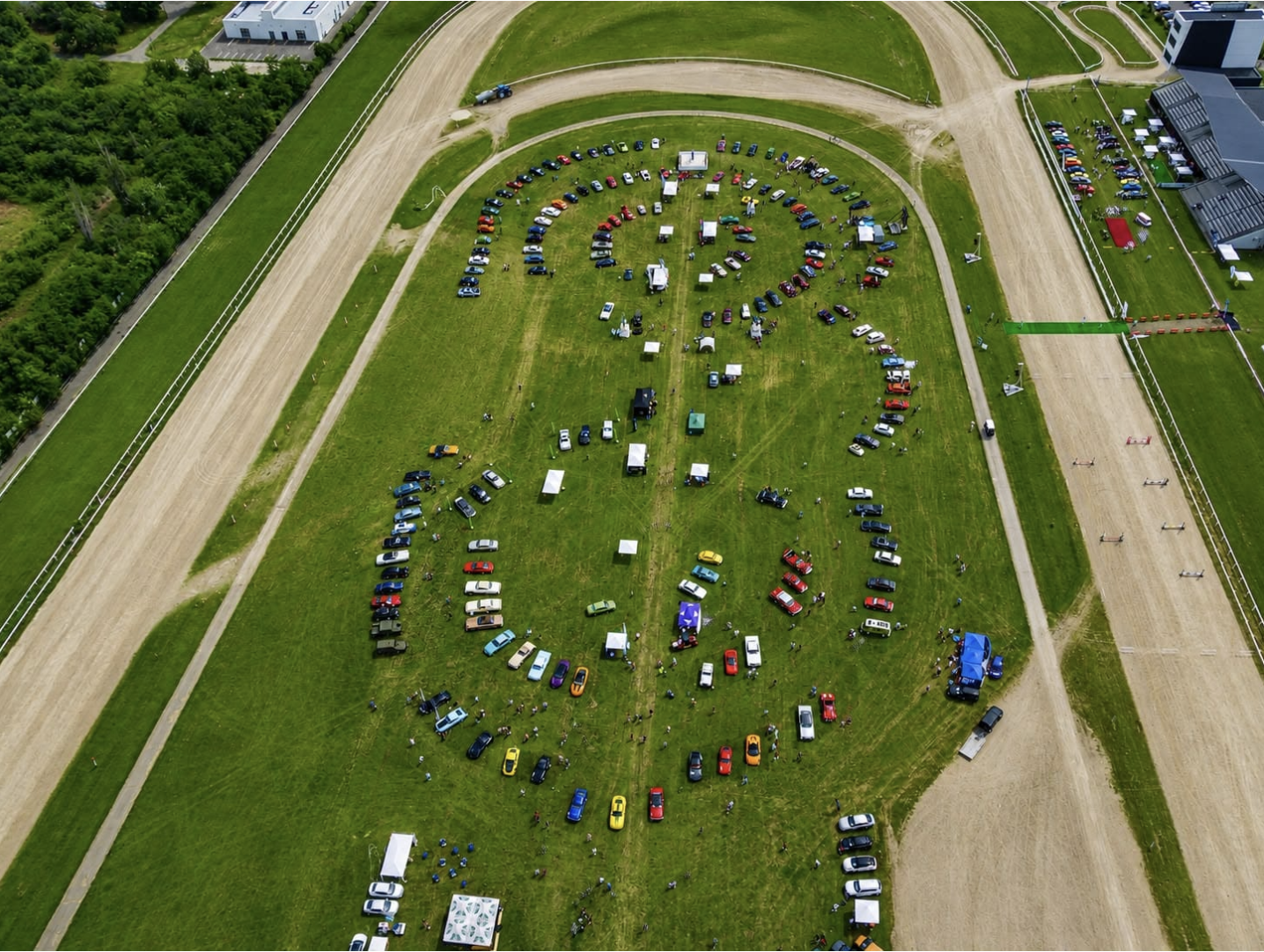
A view of the venue from above. Image credits: Retrocars Romania
To the public, a concours is a display of magnificent automobiles. To a judge, every car is a piece of history waiting to tell its story. That realization made the responsibility of being a juror both exciting and humbling.
Although this was only the fourth edition of the concours, the event was organised to an exceptionally high standard. A dedicated concours enclosure showcased twenty-three carefully selected entries from nearly two hundred participating vehicles. The event was orchestrated by Paul Stama and his business partner Cristian Vladimirescu, together with Cristina Stoica and an enthusiastic team of volunteers who worked tirelessly to create an event that rivalled many established concours around the world.
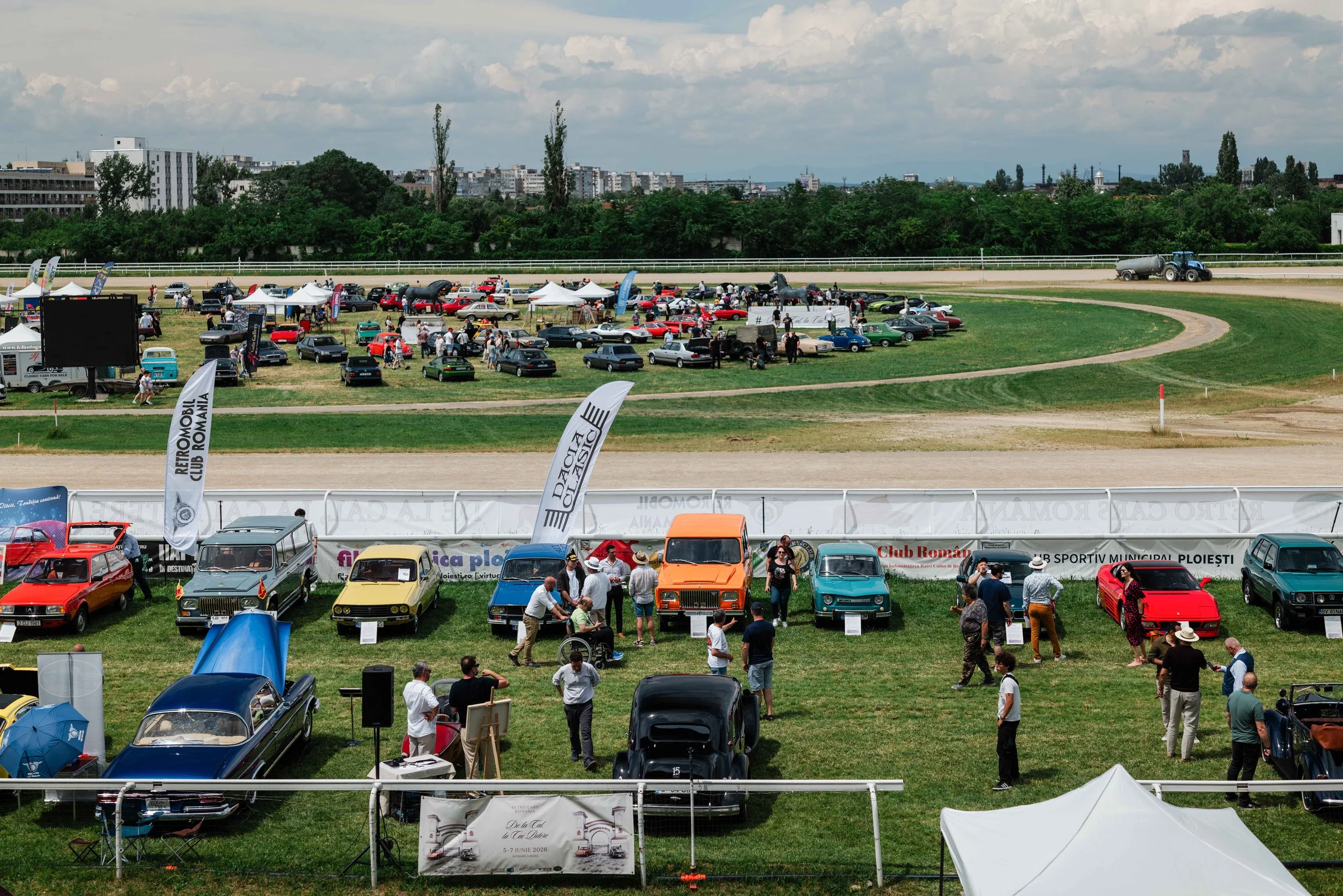
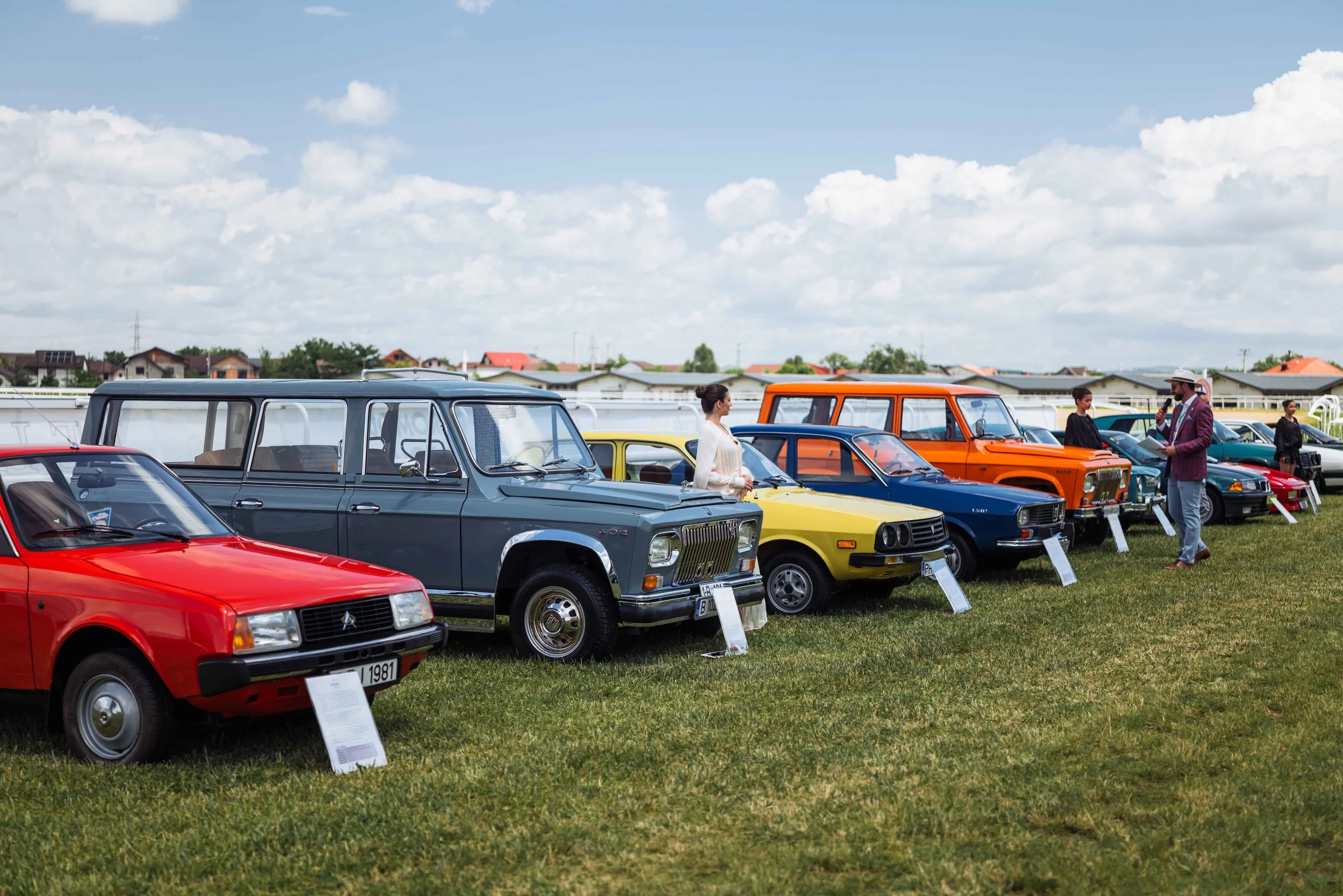
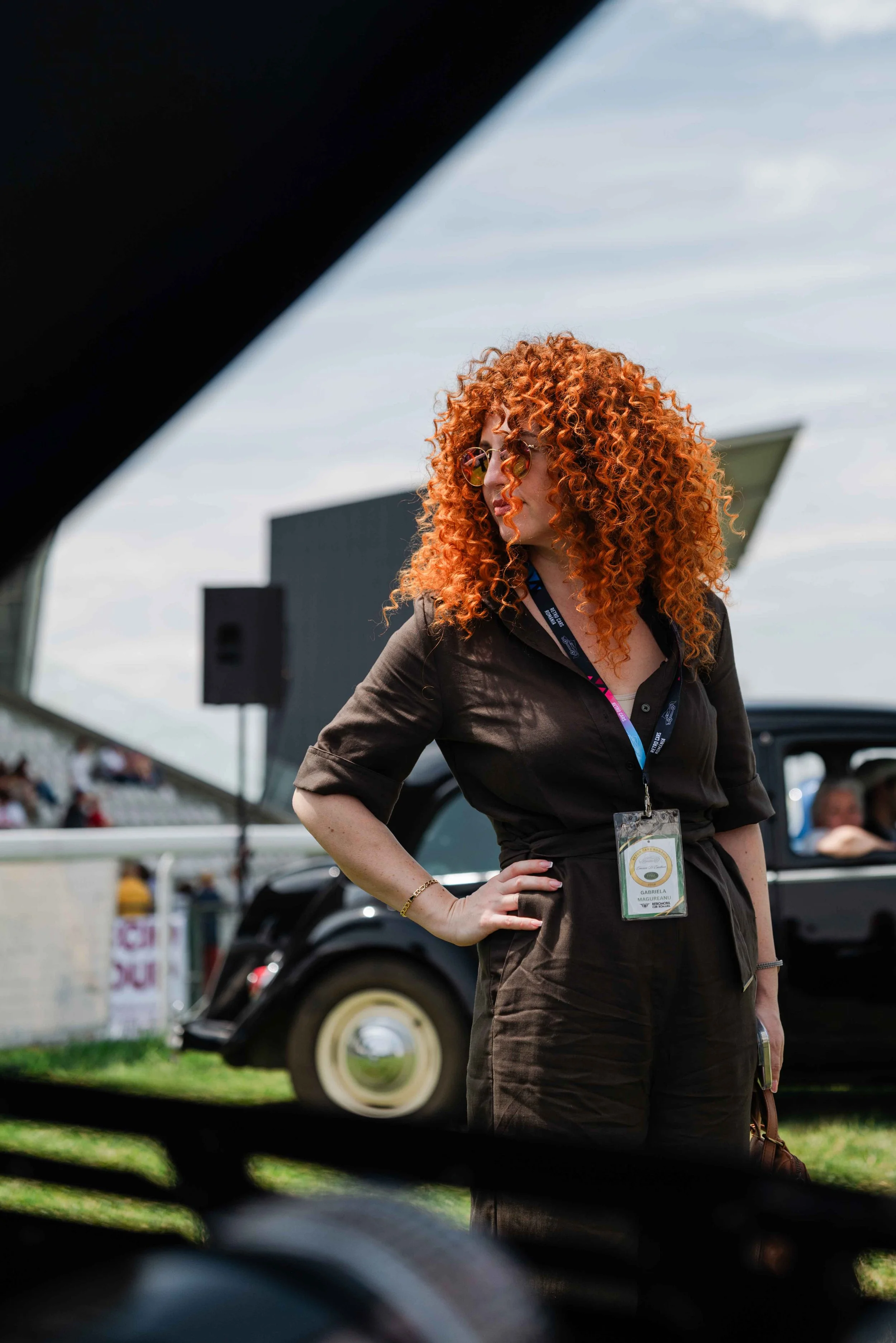
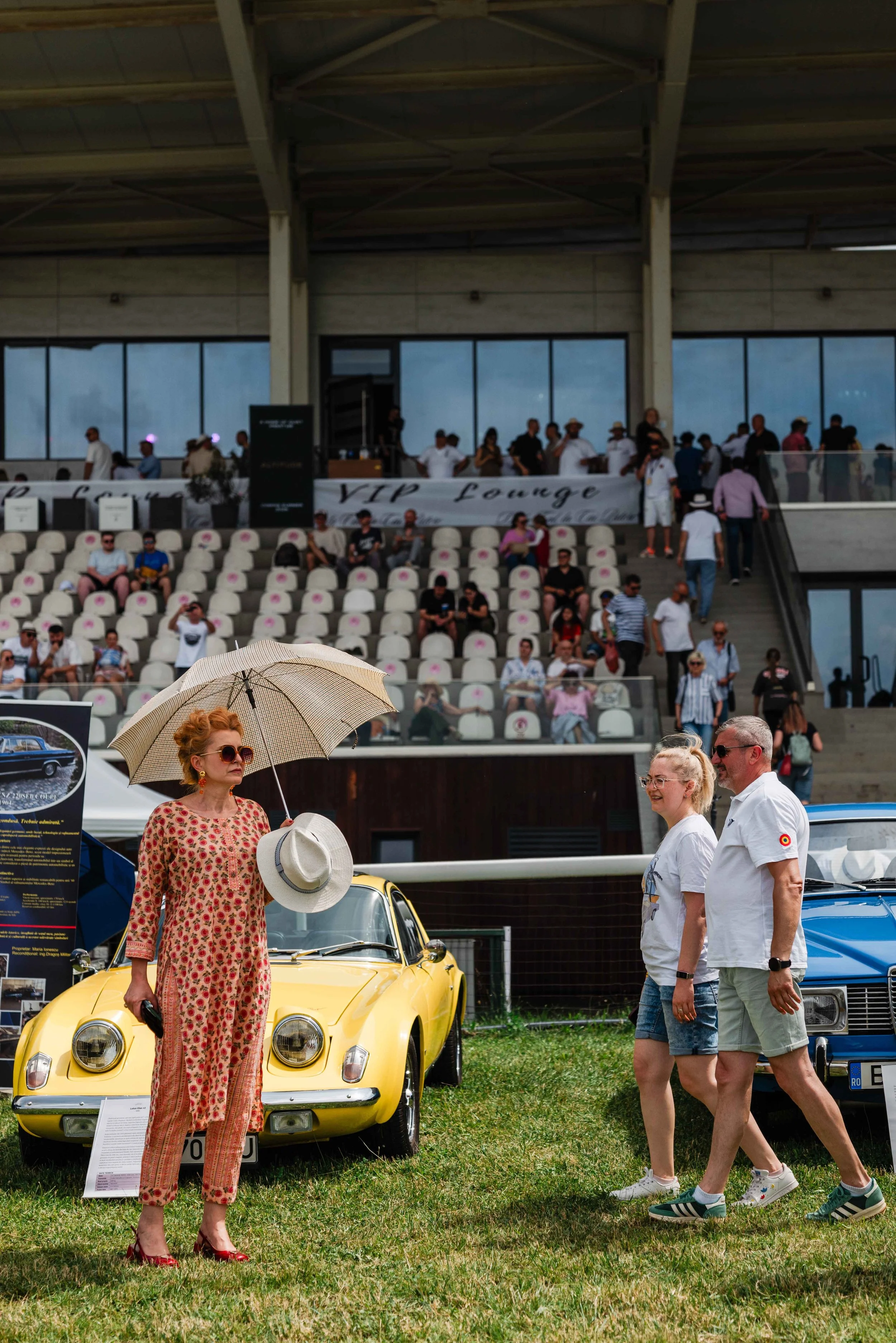
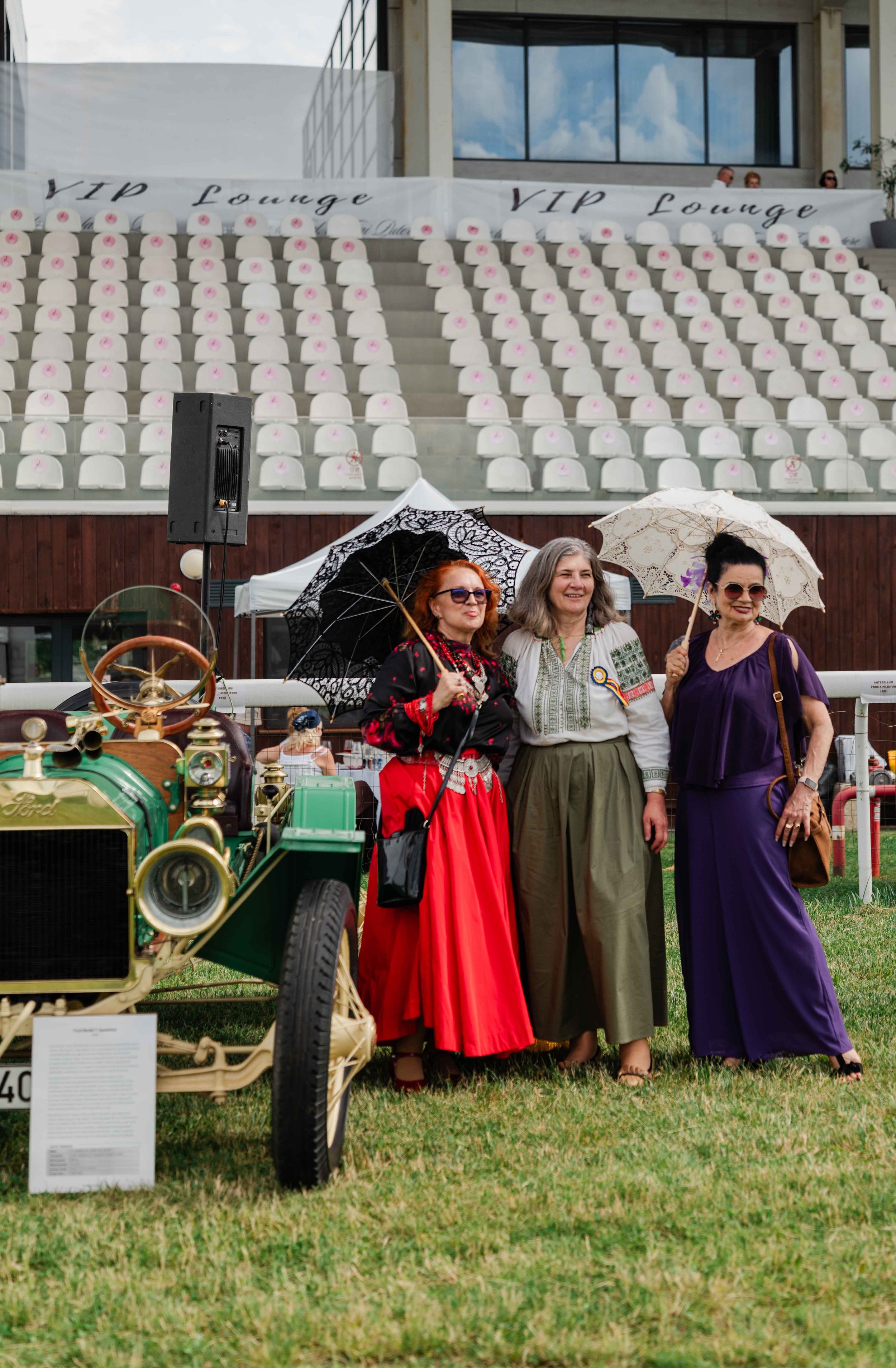
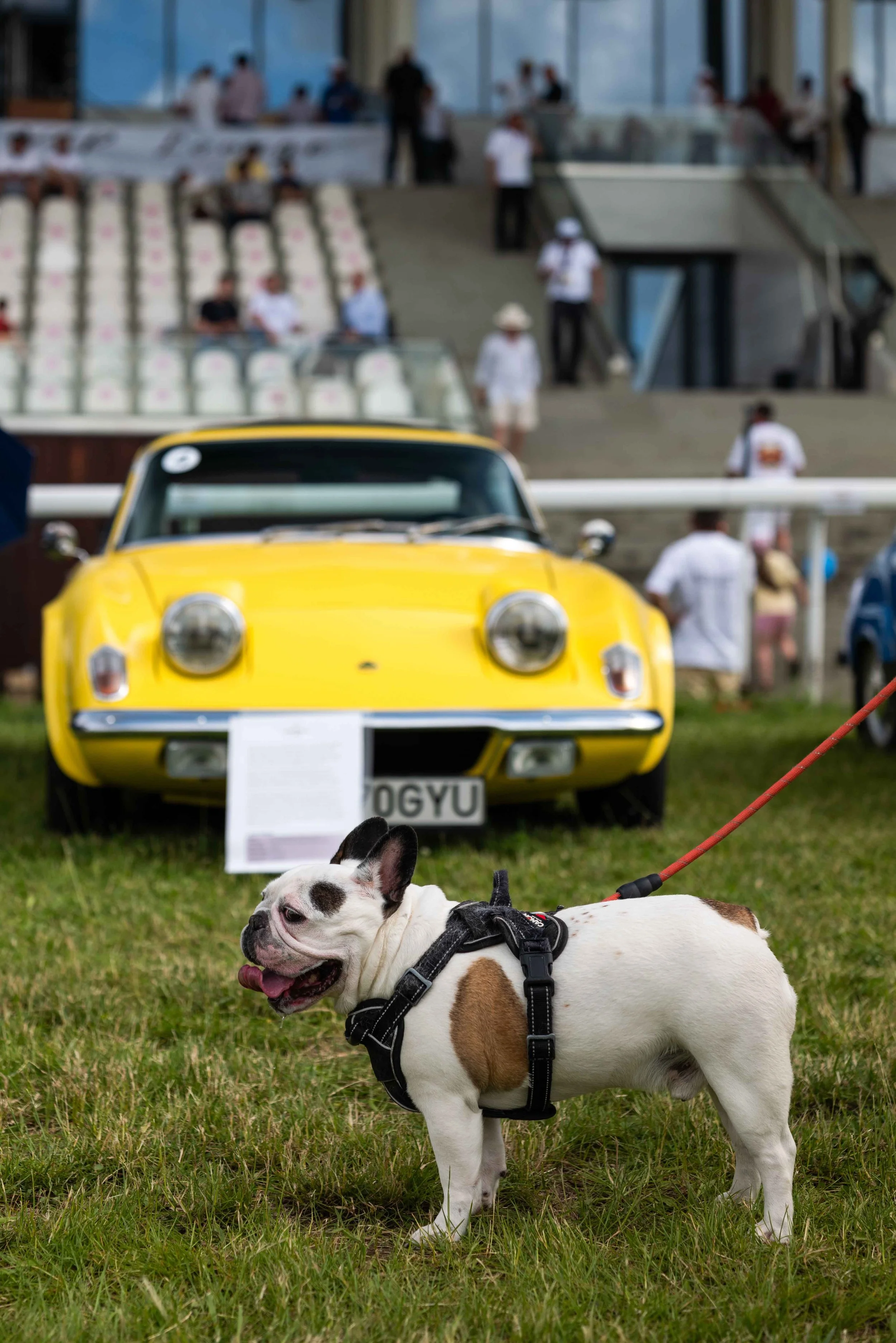
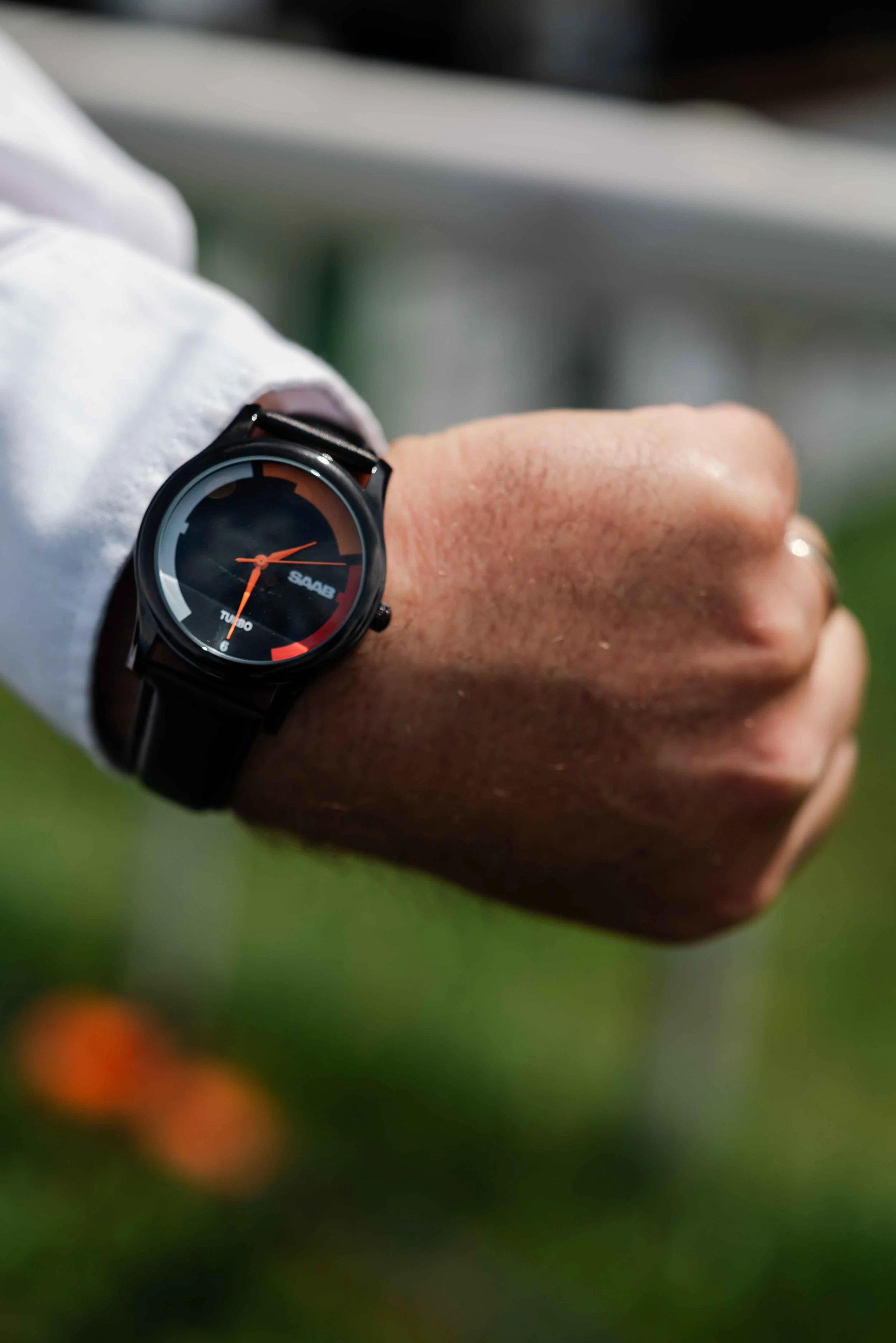
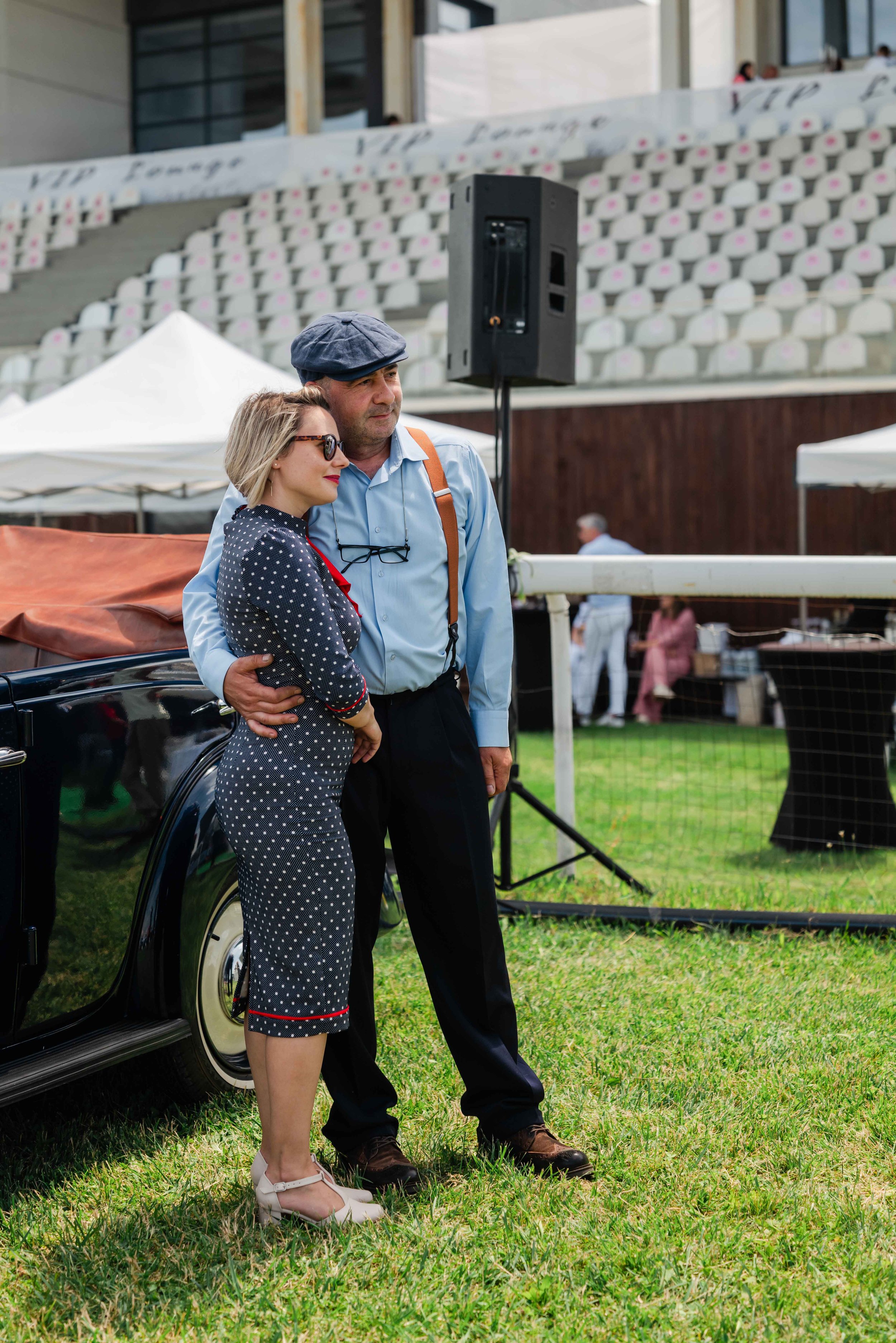
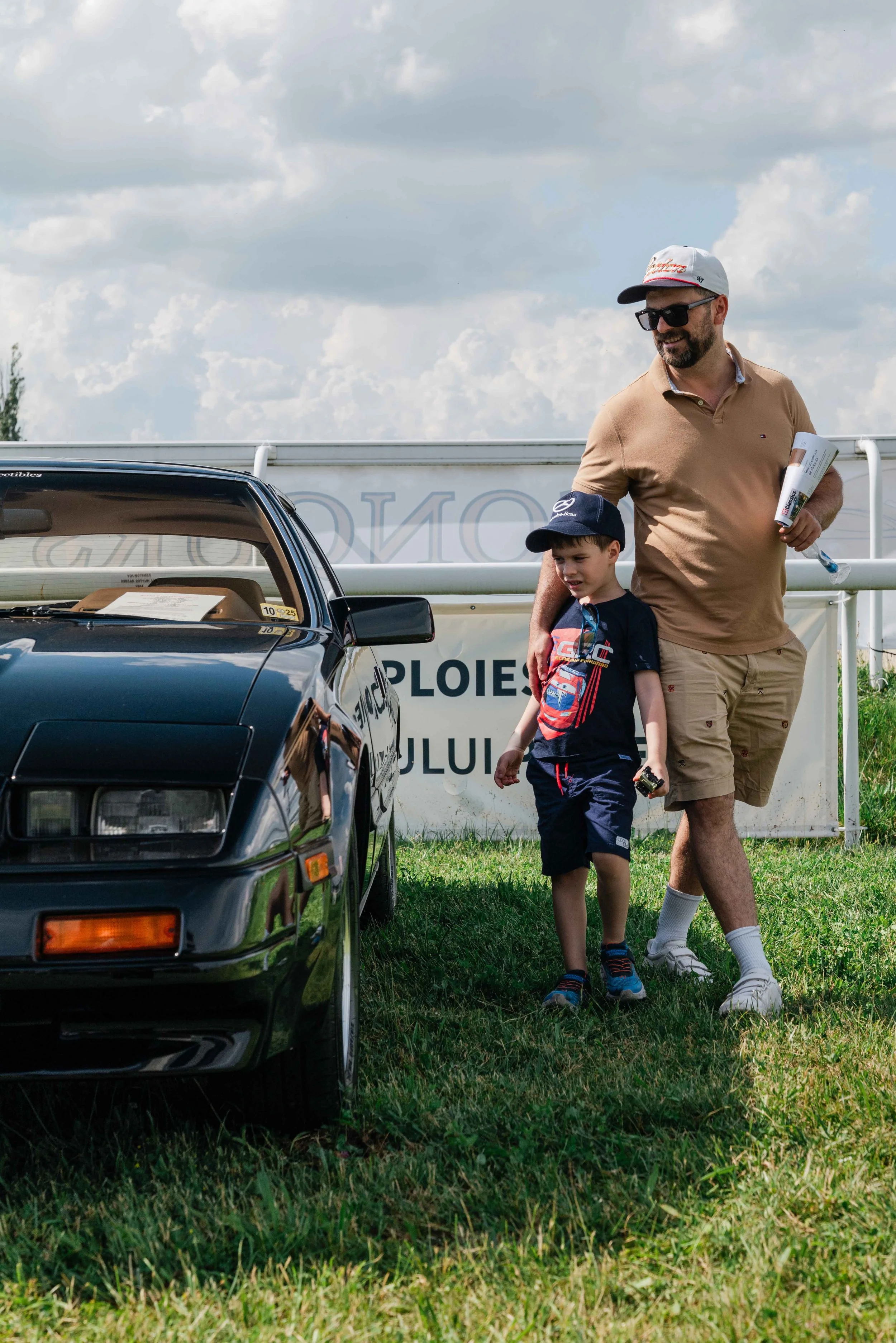
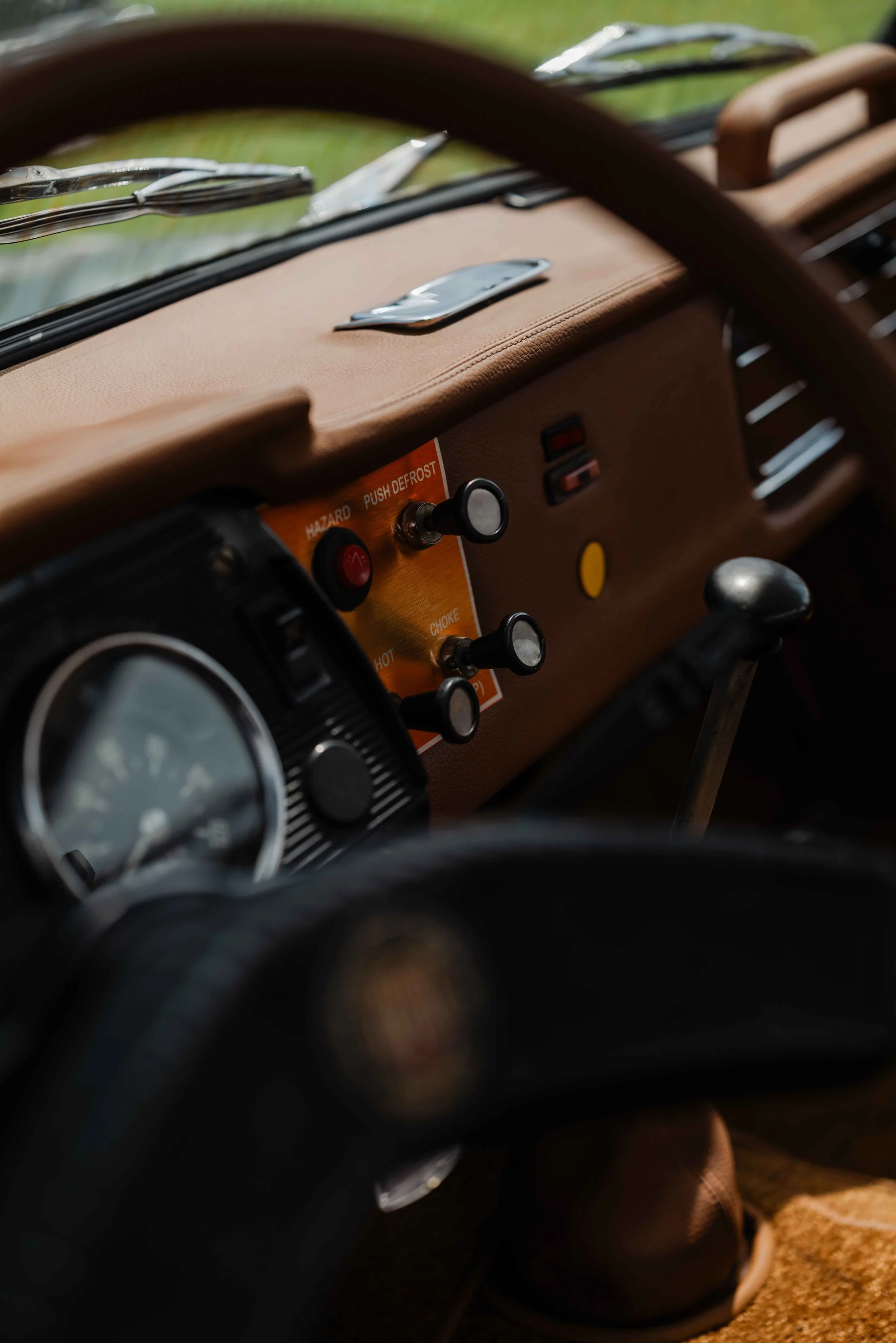
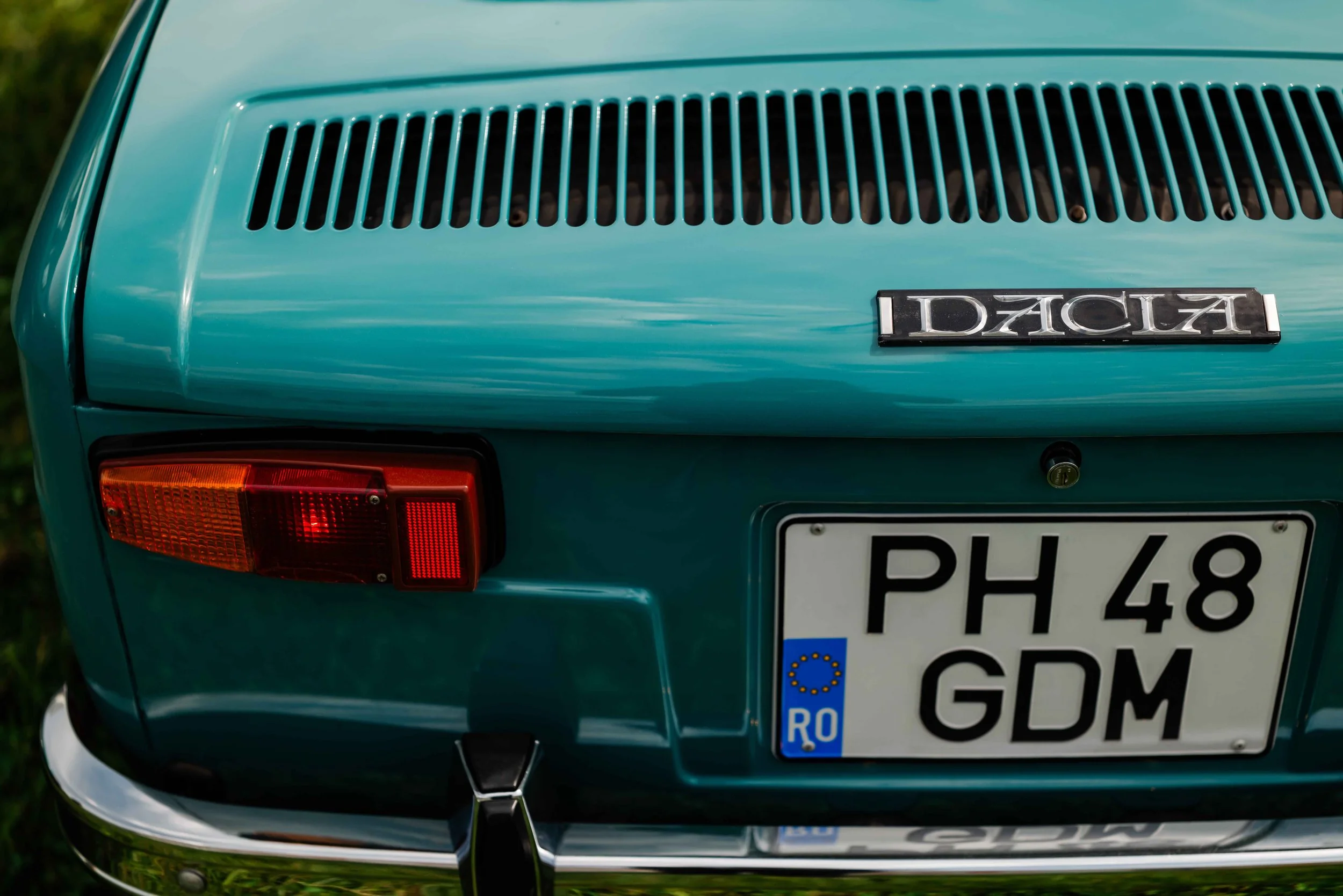
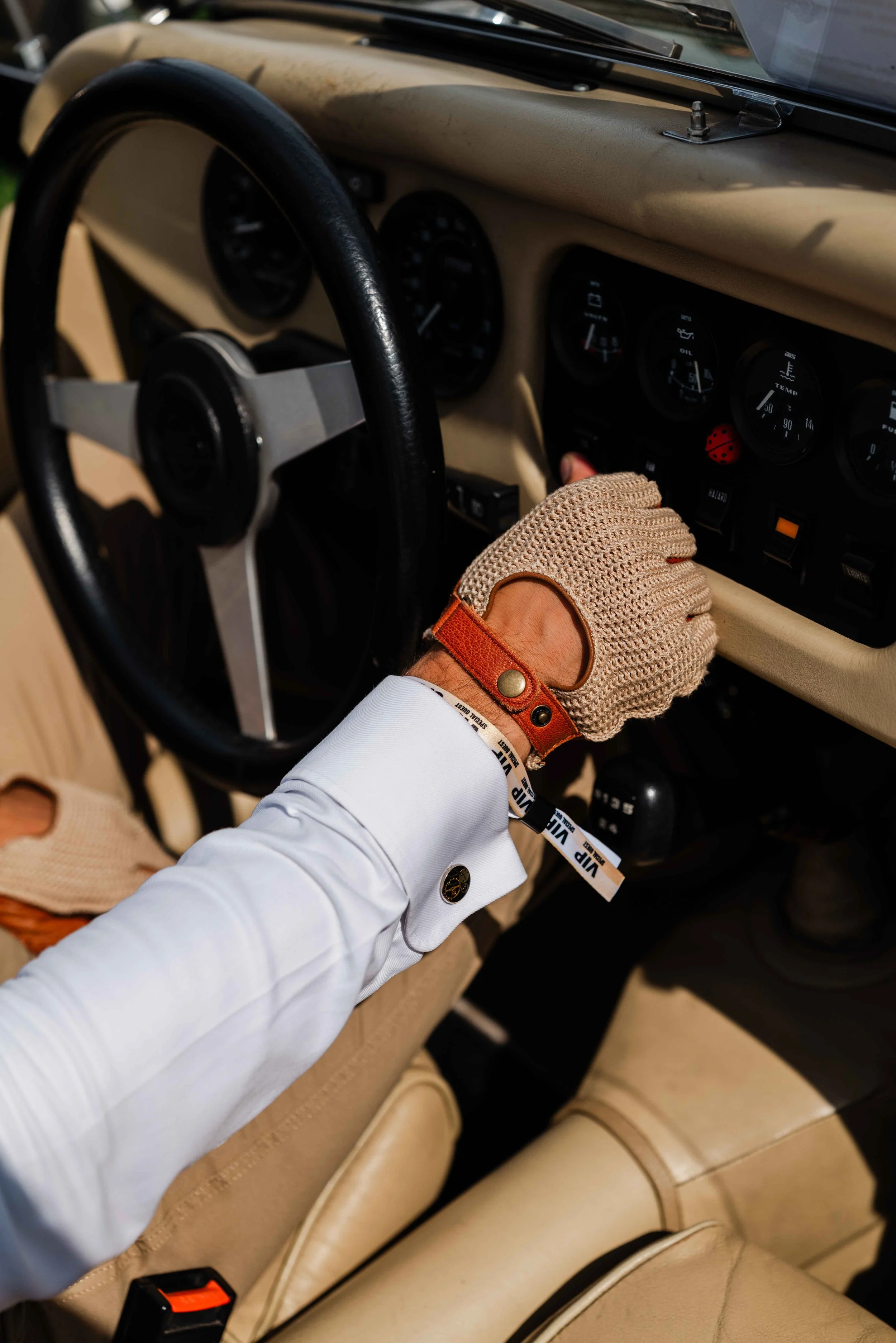
The competing automobiles were divided into four categories—Antebellum, Native, Postbellum and Youngtimer. As each owner passionately shared the history of their vehicle, it became evident that every automobile represented far more than a machine. Many carried generations of family memories and personal stories. Some owners even arrived dressed in period attire that perfectly complemented the era of their cars, adding an elegant theatrical element to the concours.
Before the judging commenced, I joined Chief Judge Gautam Sen and fellow juror Lamiaa Zinoune for a detailed briefing. We reviewed the concours classes, examined entry sheets, discussed originality, studied historical documentation and agreed upon the judging criteria.
"At the very outset, it is important to remember that a car is only new once. No matter how carefully it is maintained, time inevitably takes its toll, and an automobile can never truly be new again. For this reason, the goal of restoring a car to be “as good as new” is, in essence, unrealistic.
When judges encounter a concours car that appears “better than new” – often a result of modern paint finishes or advanced chrome-plating techniques—it creates a false narrative. Such an approach detracts from authenticity. A degree of patina, along with restraint in restoration, is therefore not only acceptable but desirable. Over-restoration should be avoided.
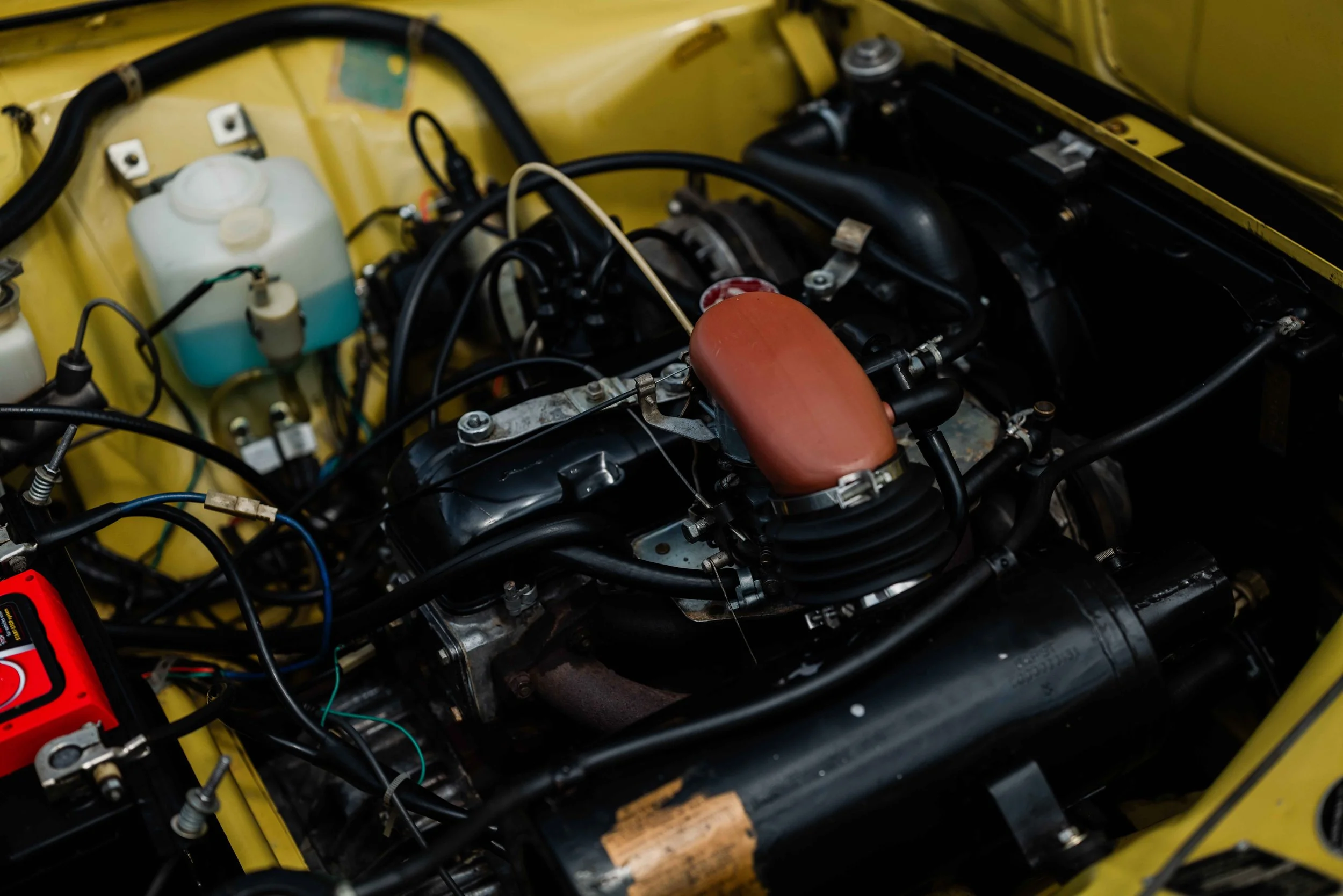
Equally important is authenticity. Ideally, a car’s history should be traceable through thorough documentation wherever possible, and the vehicle should retain its original configuration, preferably with matching numbers. Cars that preserve period-correct specifications – such as cross-ply tyres where originally supplied, or solid (non-metallic) paint finishes on pre-war vehicles unless a special factory finish can be proven – will score more highly than those altered beyond their era. Similarly, a car restored or repainted in its original factory colour will be judged more favourably than one finished in a different, albeit period-correct, shade.
We firmly believe in the idea that every car has a story to tell. A well-documented provenance is therefore of great importance. Rarity also plays a role, as preserving uncommon models helps ensure they are not lost to history. Additional consideration may be given to vehicles that represent a particular era, mark a milestone in design or engineering, or hold cultural or national significance. Cars with a history of relevant awards may also earn extra points.
Innovation is another factor. Vehicles that demonstrate notable advances in technology, design, or styling will be recognised accordingly. Aesthetic appeal may also influence scoring, though this remains inherently subjective and dependent on the judges’ perspectives: after all, beauty lies in the eye of the beholder.
From the outside, concours judging appears glamorous. In reality, it demands immense concentration, objectivity and historical knowledge. The art of looking closely, this was where my experience as a classic car photographer proved invaluable.
Each owner proudly presented years of research and restoration, often eager to discuss every detail of their car. With twenty-three entries to evaluate thoroughly, it became an intensive yet immensely rewarding day. Processing such an extraordinary amount of information was mentally demanding, but every conversation revealed another fascinating chapter in automotive history.
Concours events are far more than competitions—they are living museums where knowledge is exchanged, traditions are passed on, and the legacy of the automobile is preserved for generations to come.
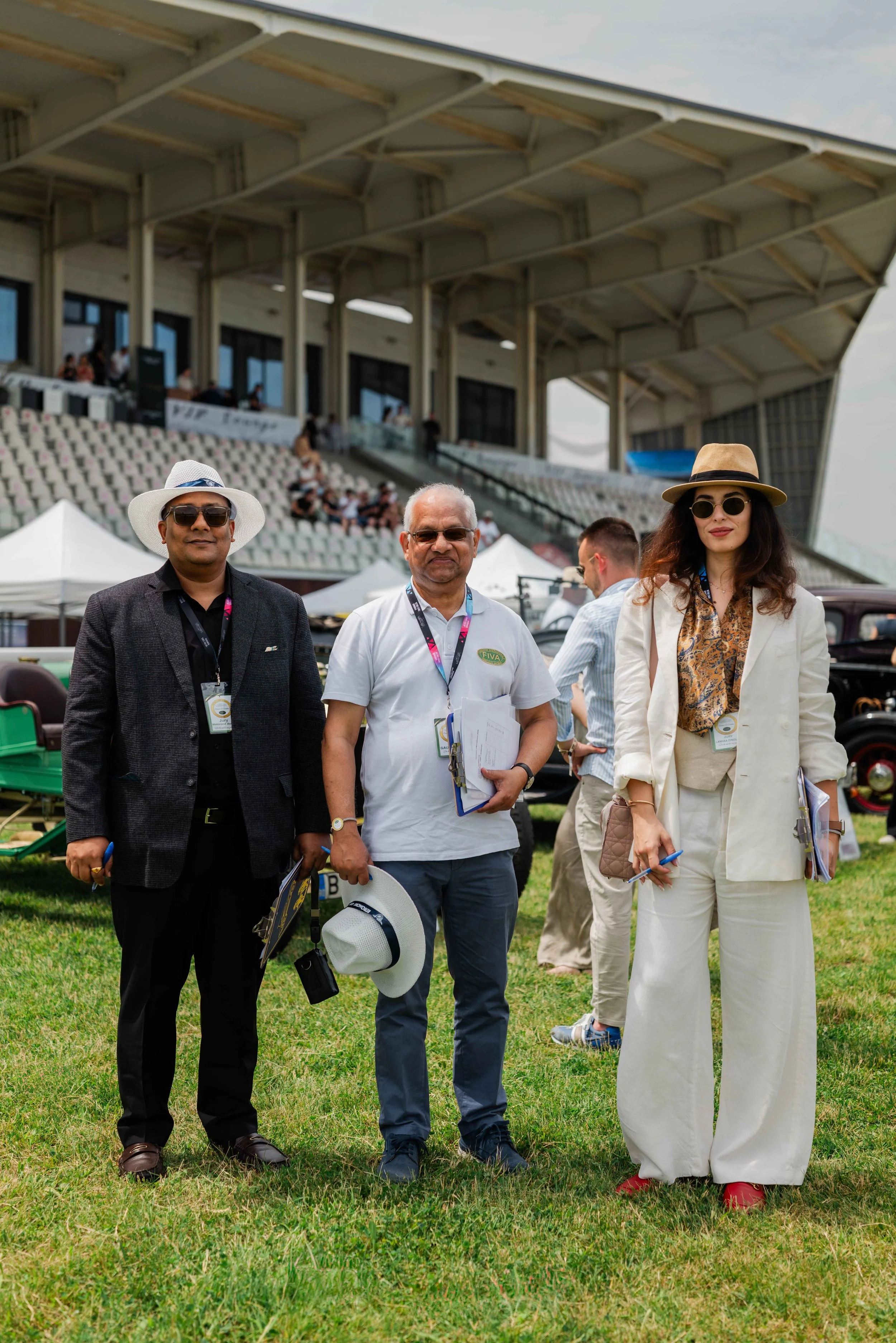
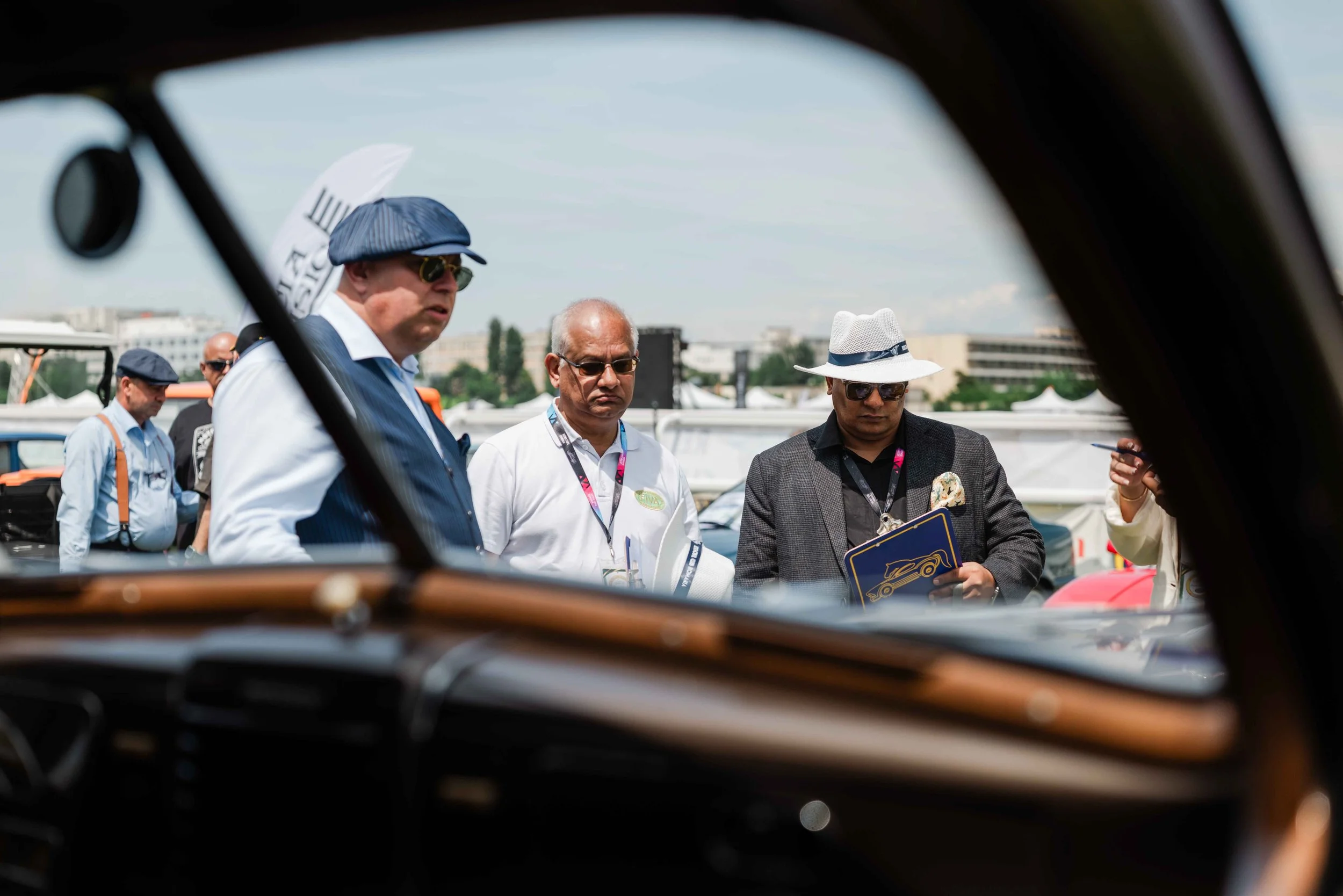
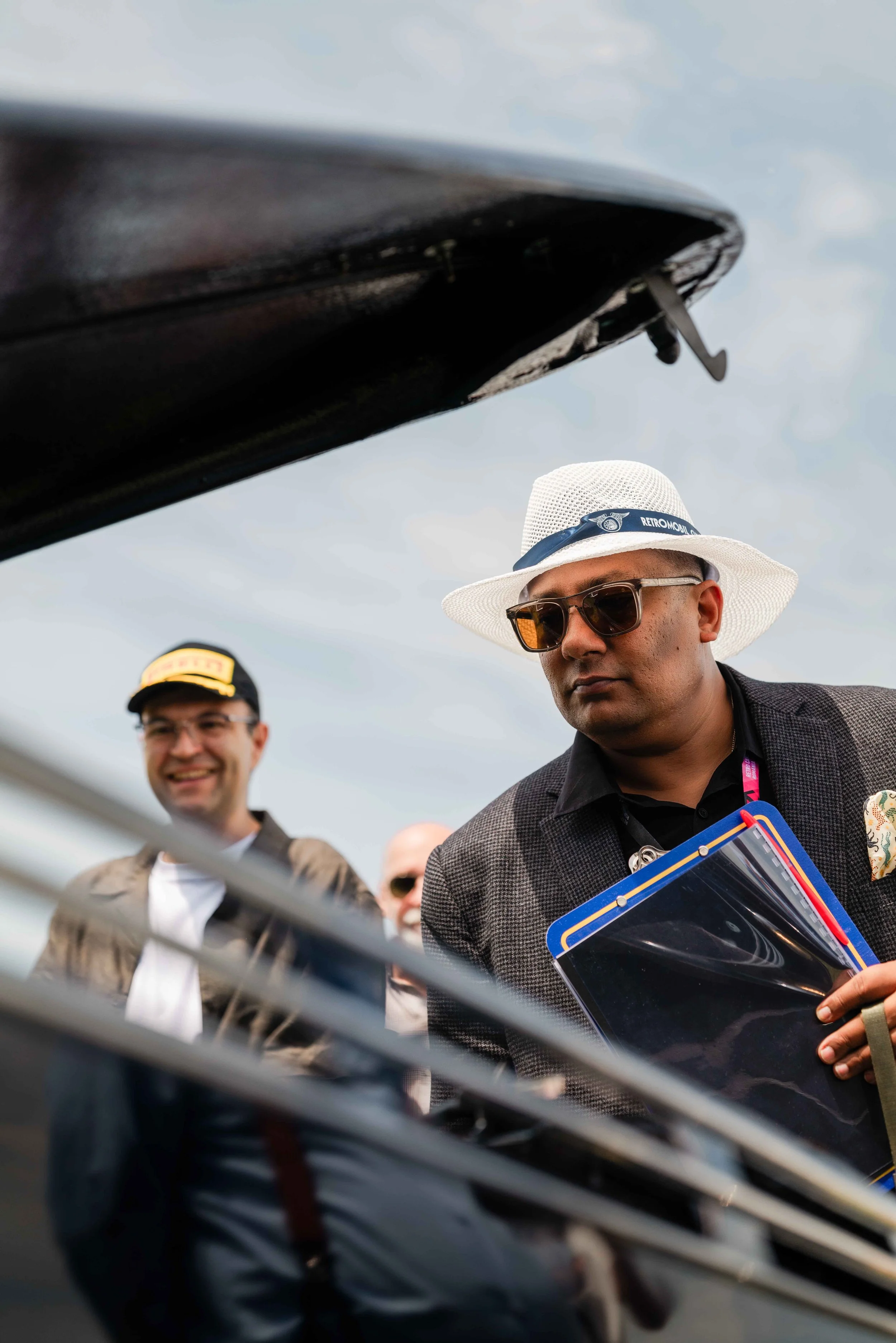
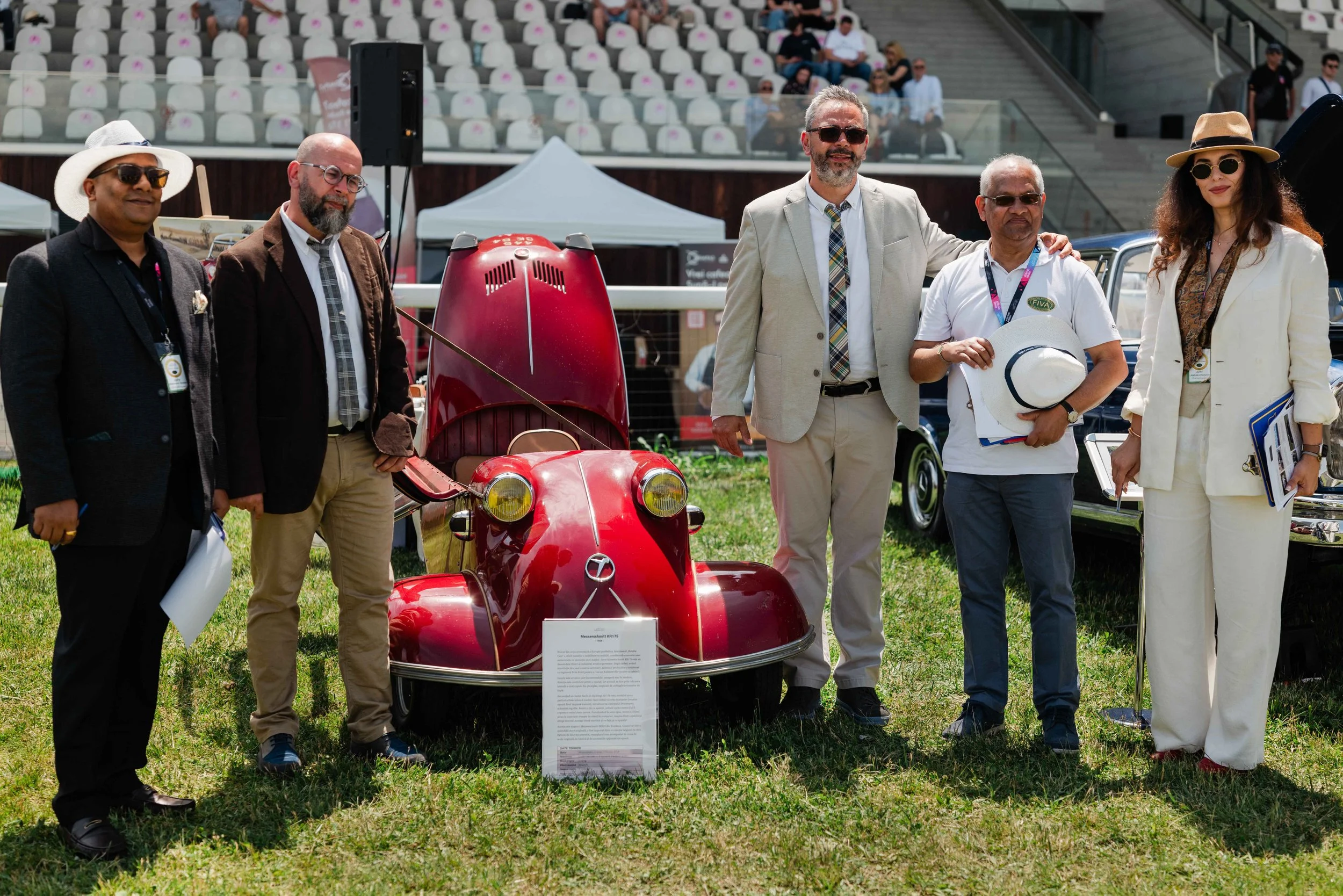
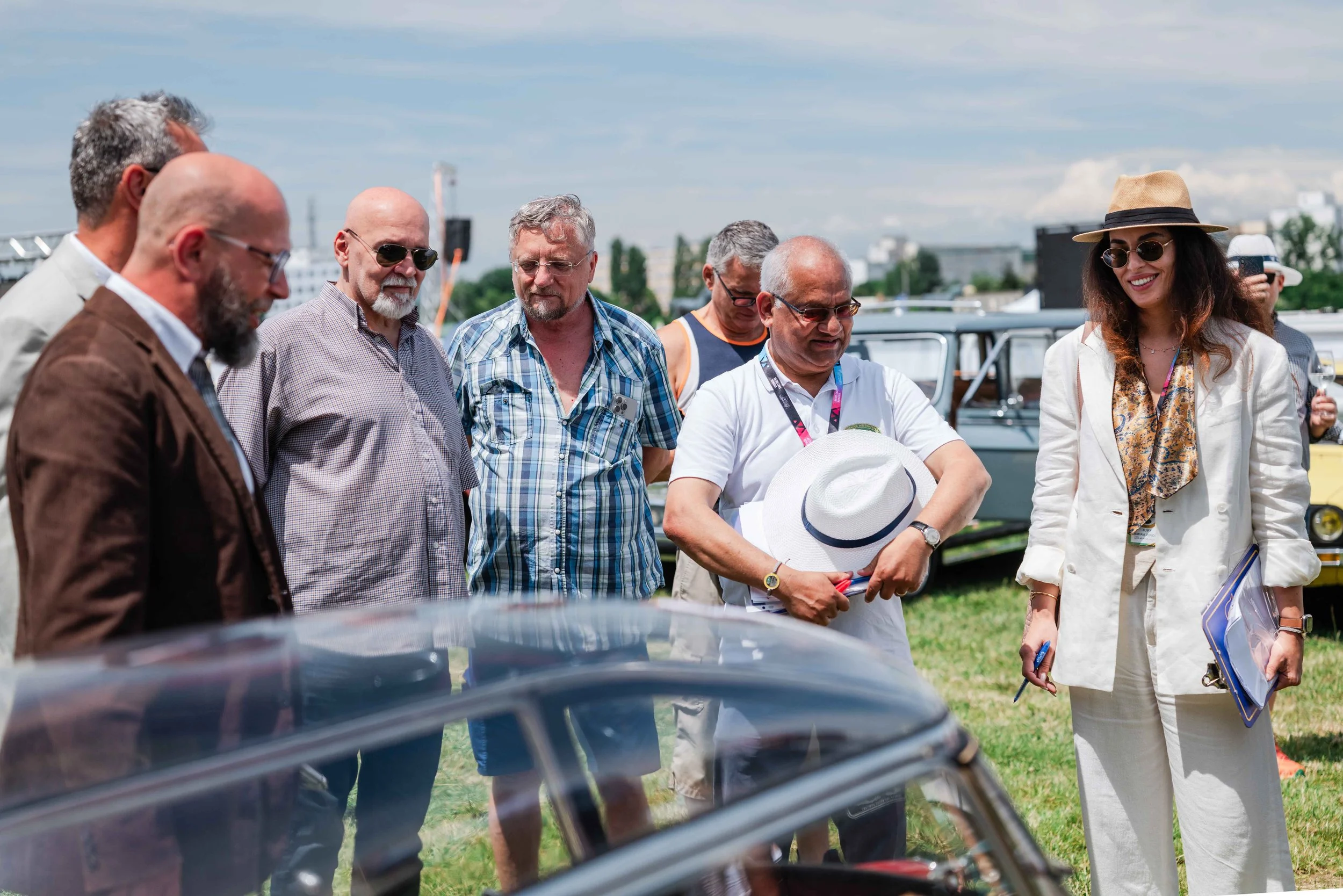
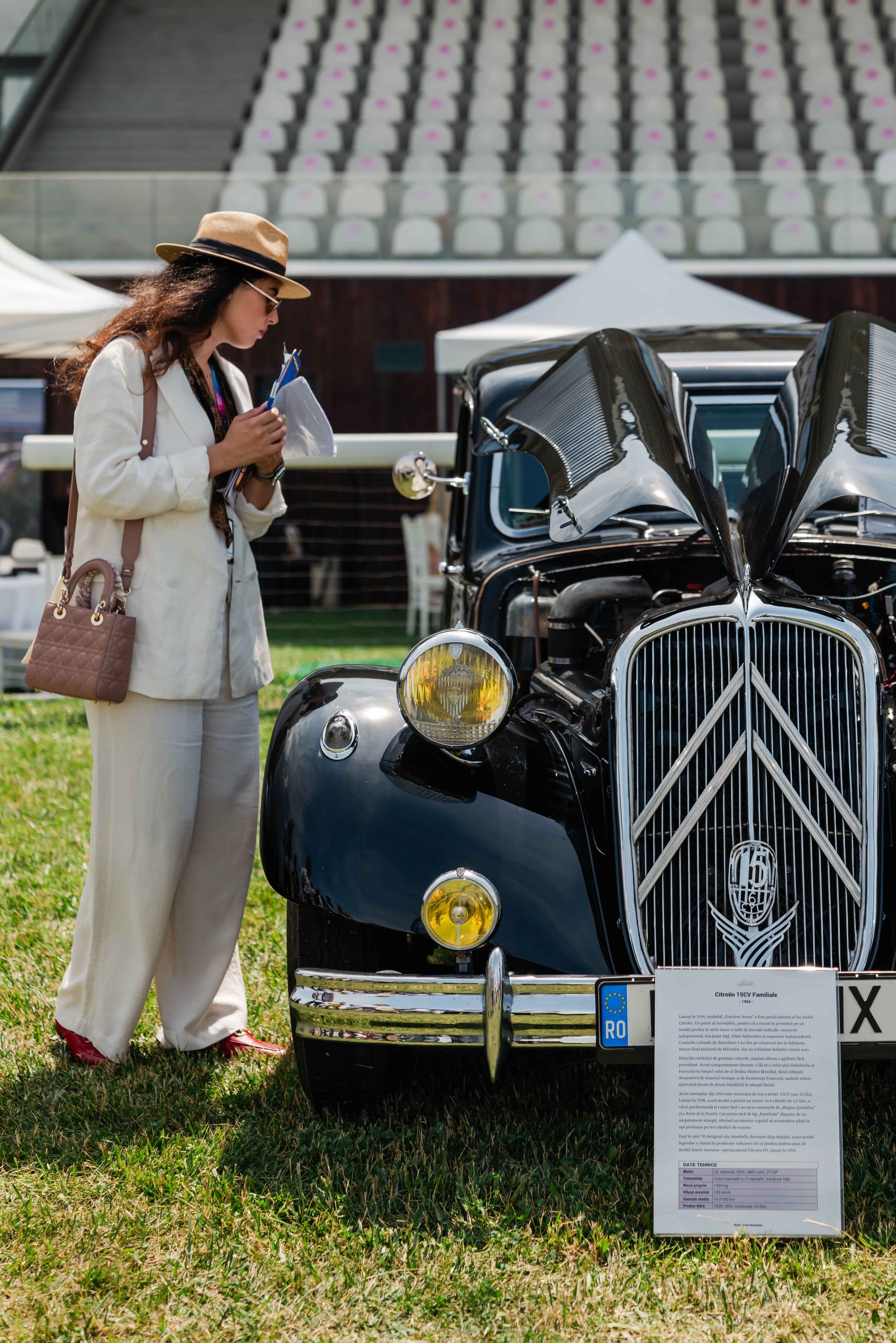
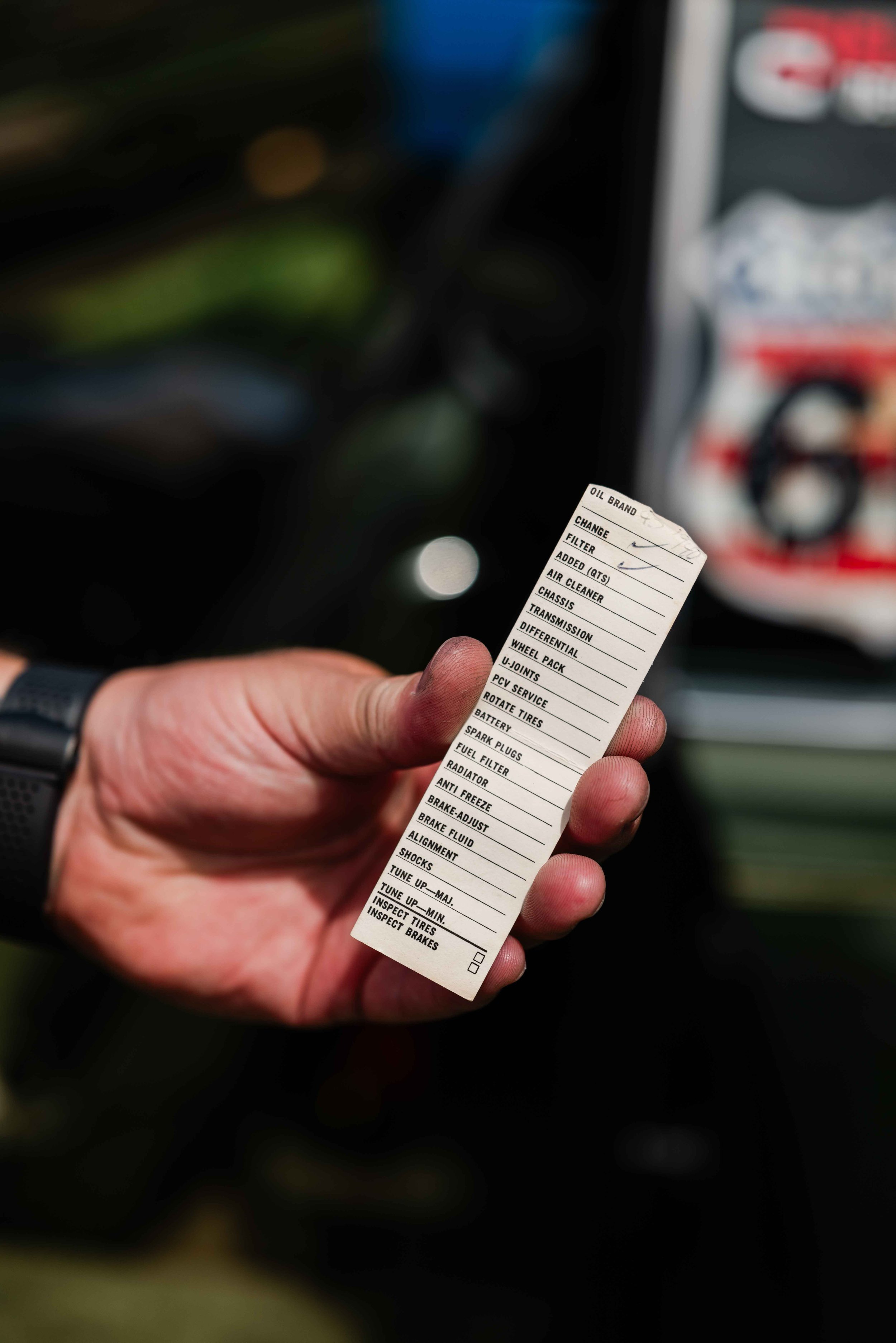
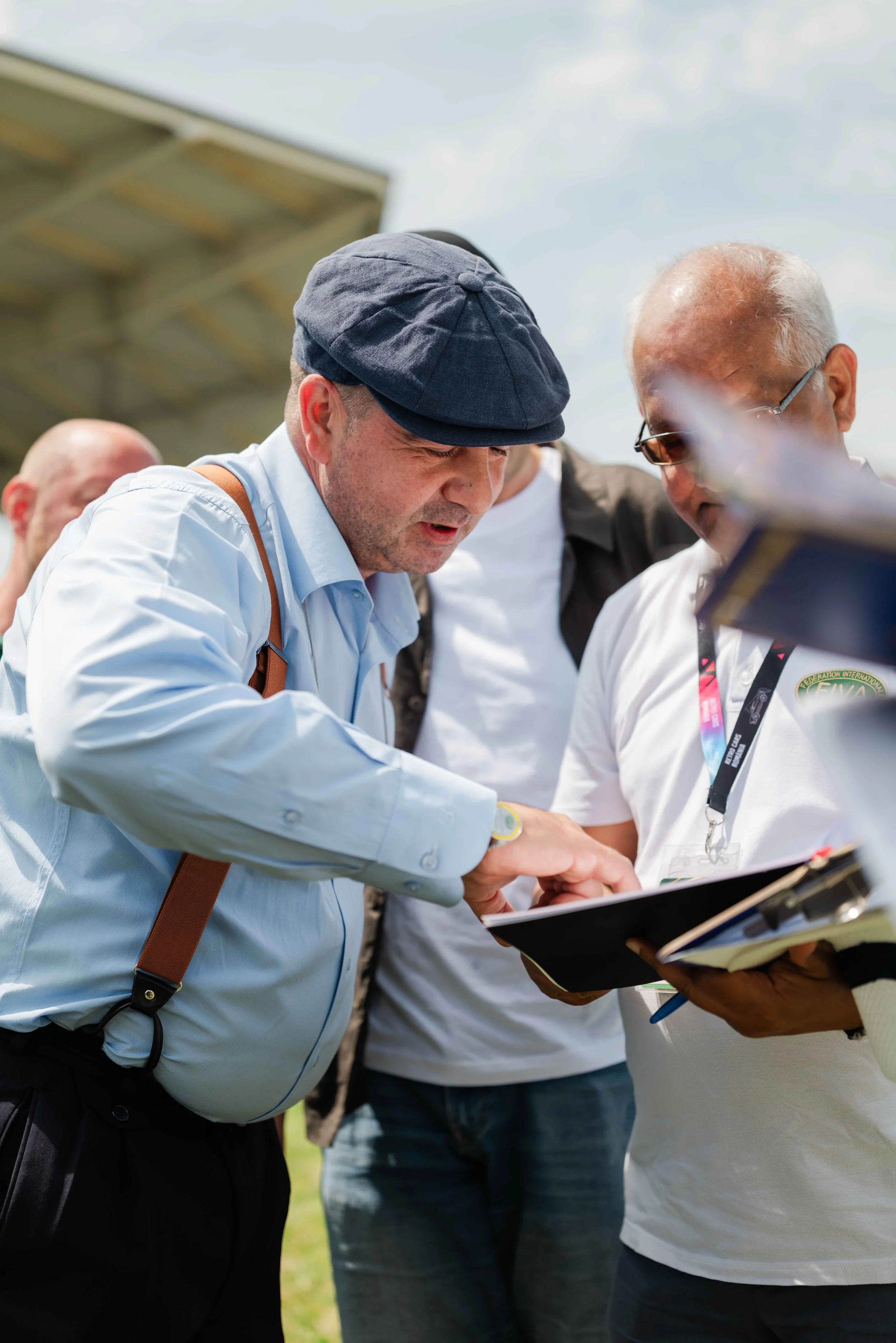

Serving as a concours juror for the first time was both an honour and a deeply rewarding experience. Romania reminded me that while these automobiles may have travelled across continents and through different eras, their true legacy lies with the people who dedicate themselves to preserving them. What left the greatest impression on me was the philosophy embraced by many Romanian collectors. Rather than pursuing flawless, over-restored perfection or unnecessary modernisation, they preserve their automobiles with authenticity and restraint, intervening only as much as needed to keep them mechanically sound and historically faithful. Despite the challenges of sourcing parts and maintaining these ageing machines, their commitment ensures that each car retains its original character while remaining a living piece of automotive history. I came away with the realization that judging is not about searching for imperfections, but about recognising authenticity, celebrating exceptional craftsmanship and appreciating the passion and dedication that keep automotive history alive for future generations.
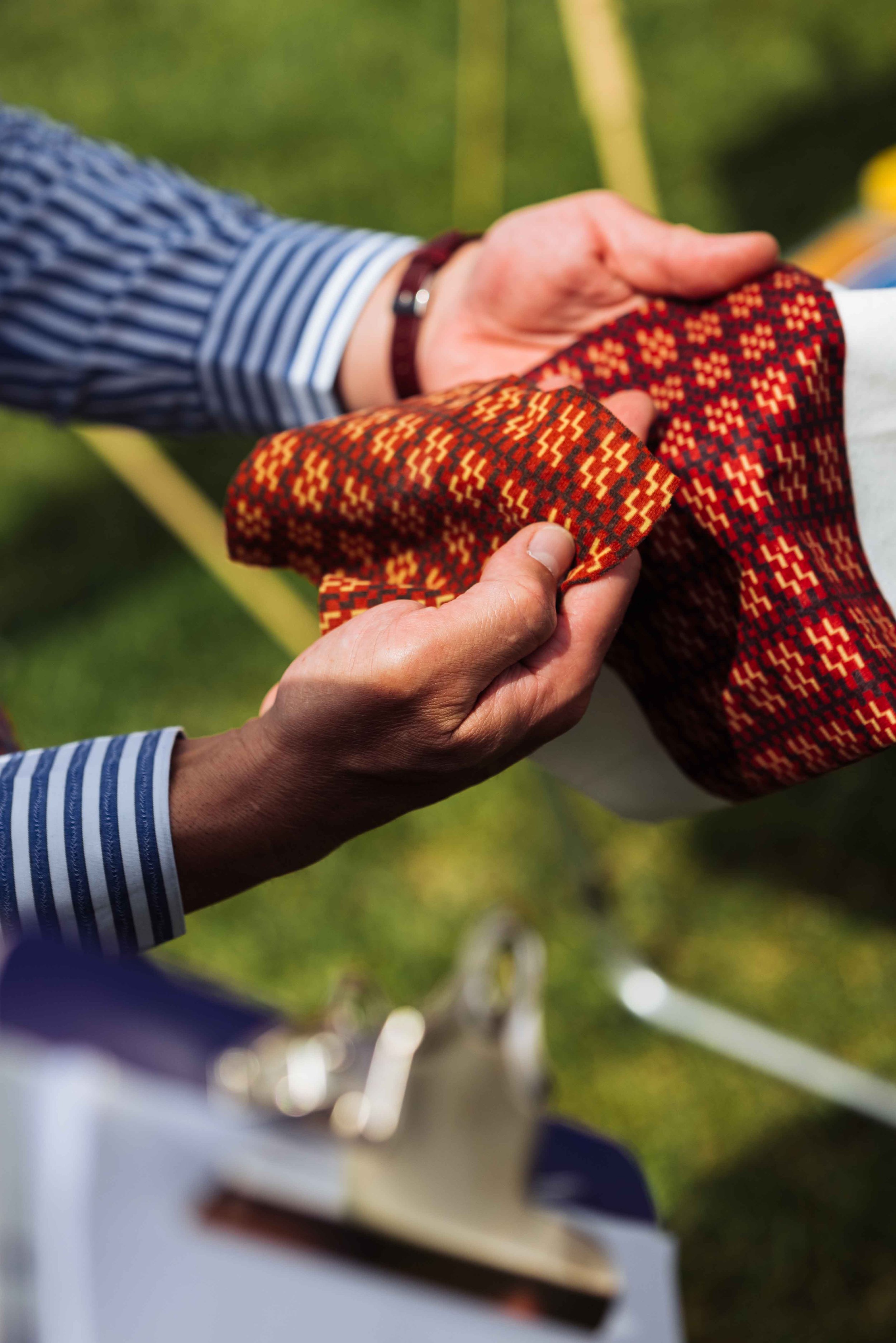
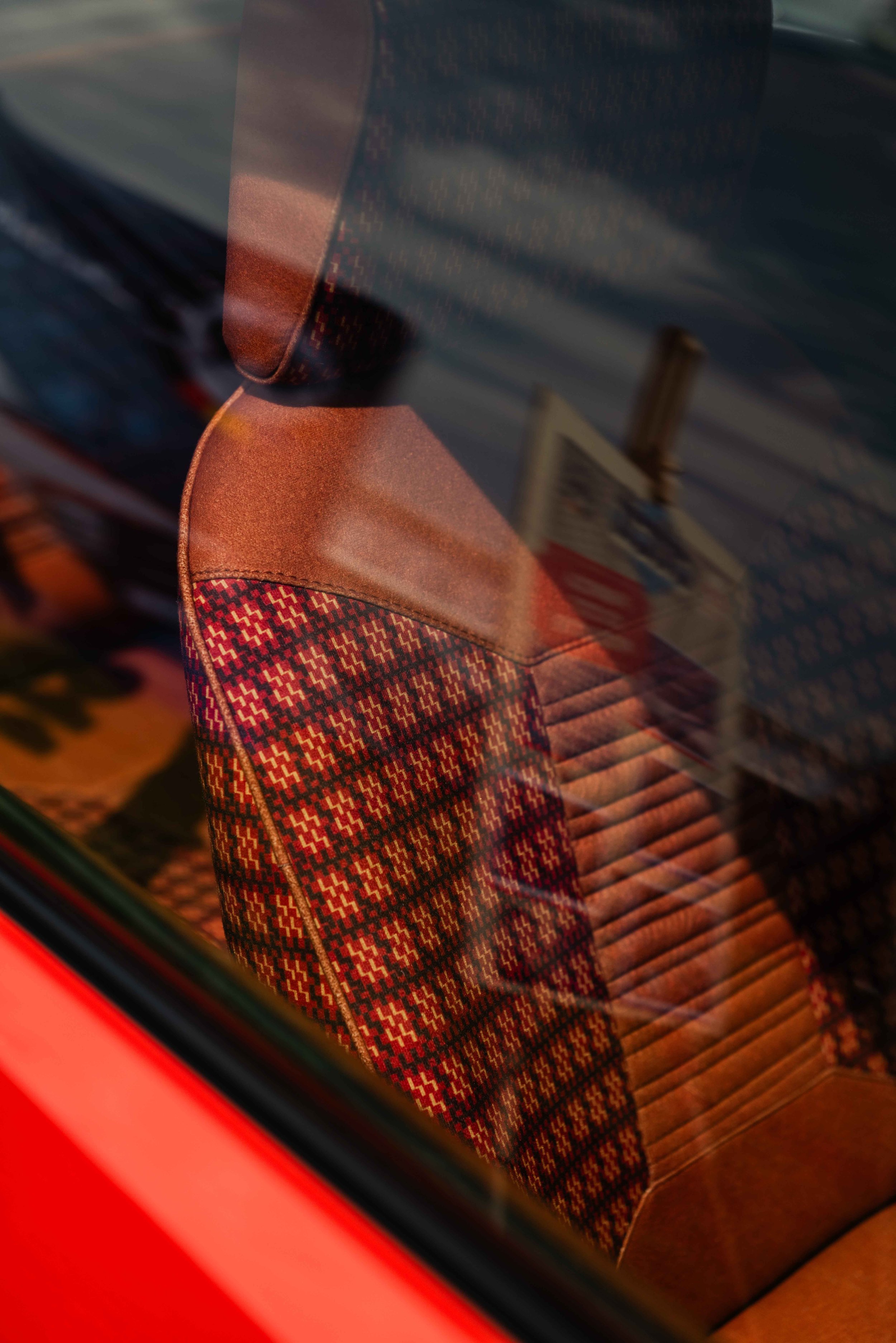
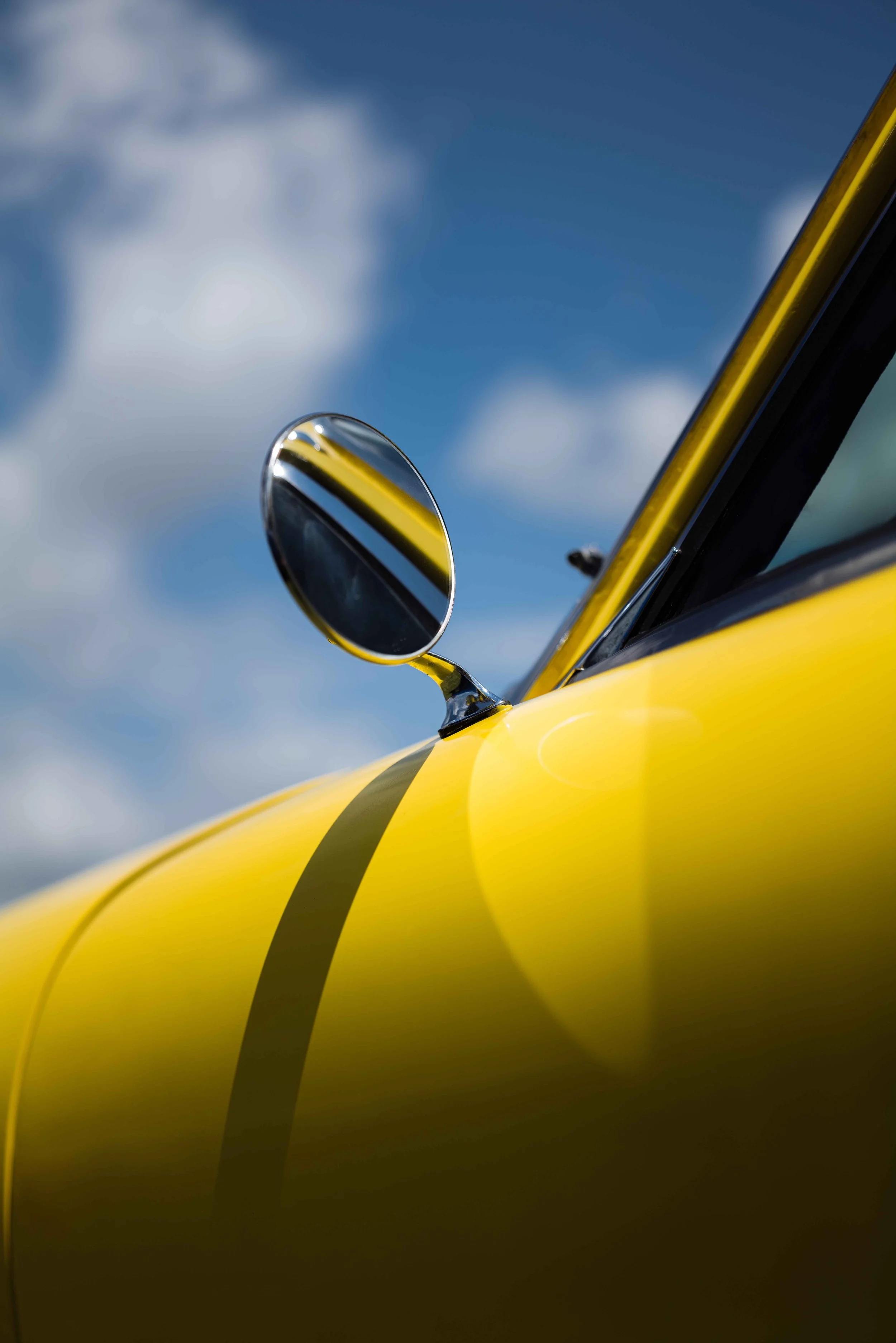
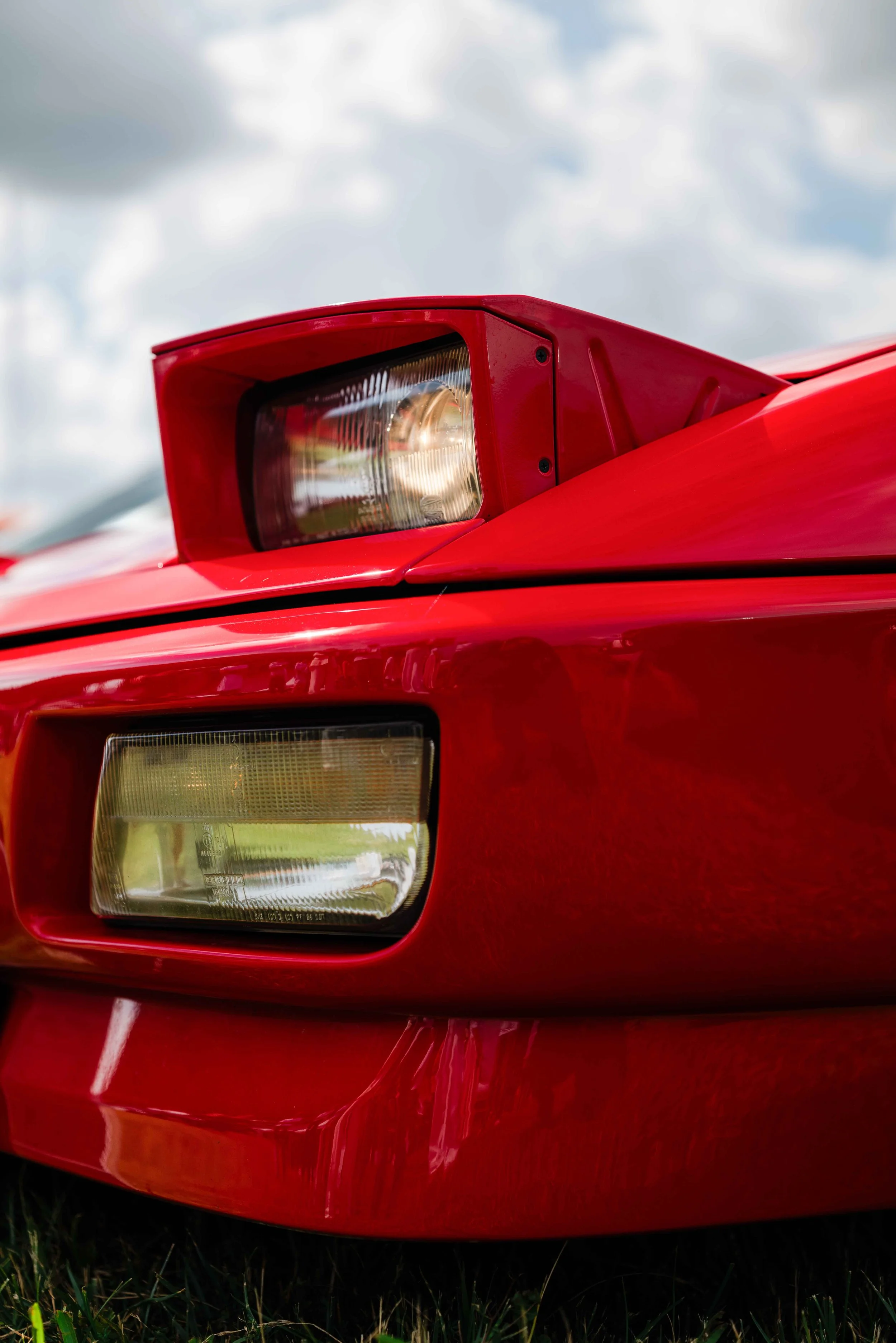
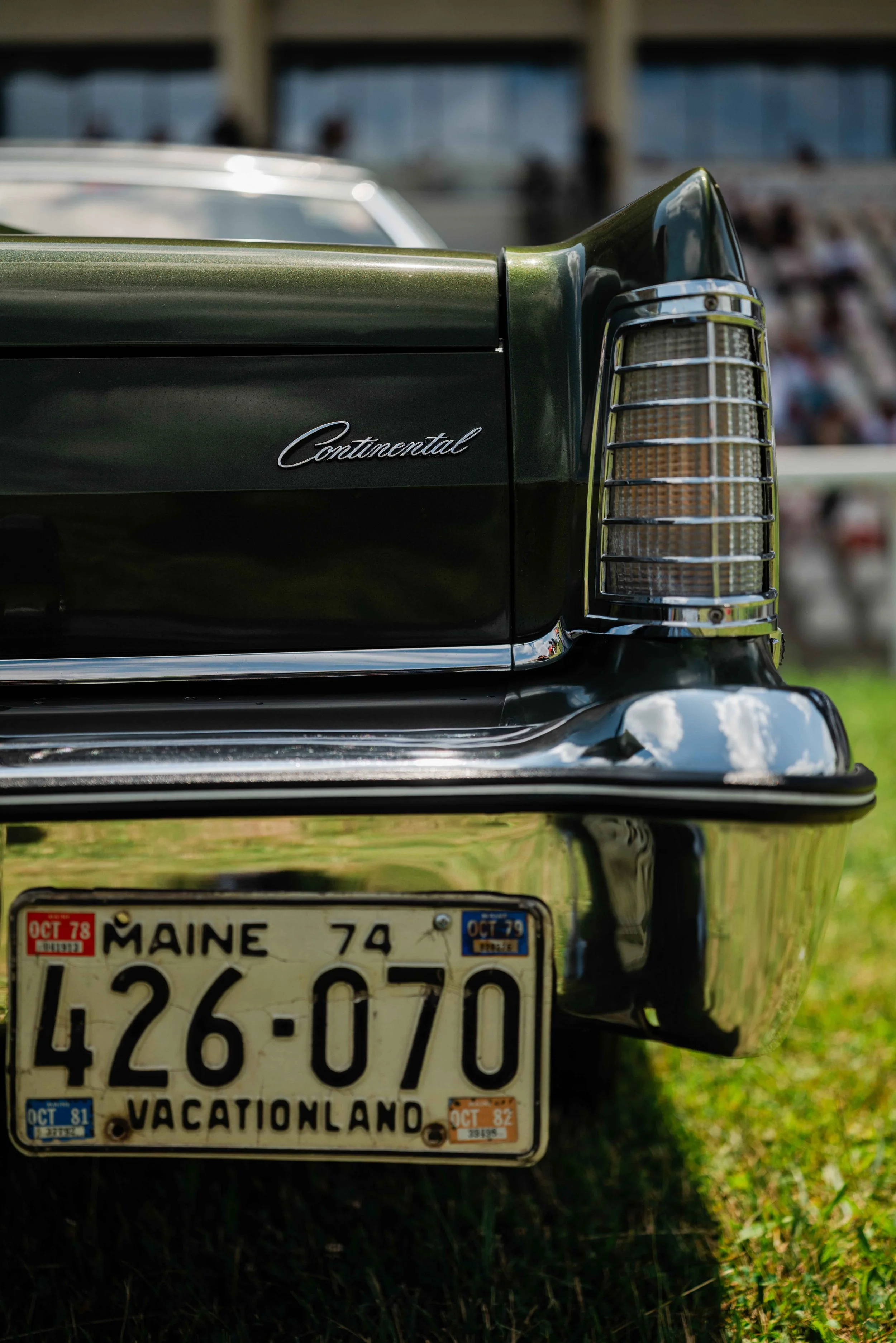

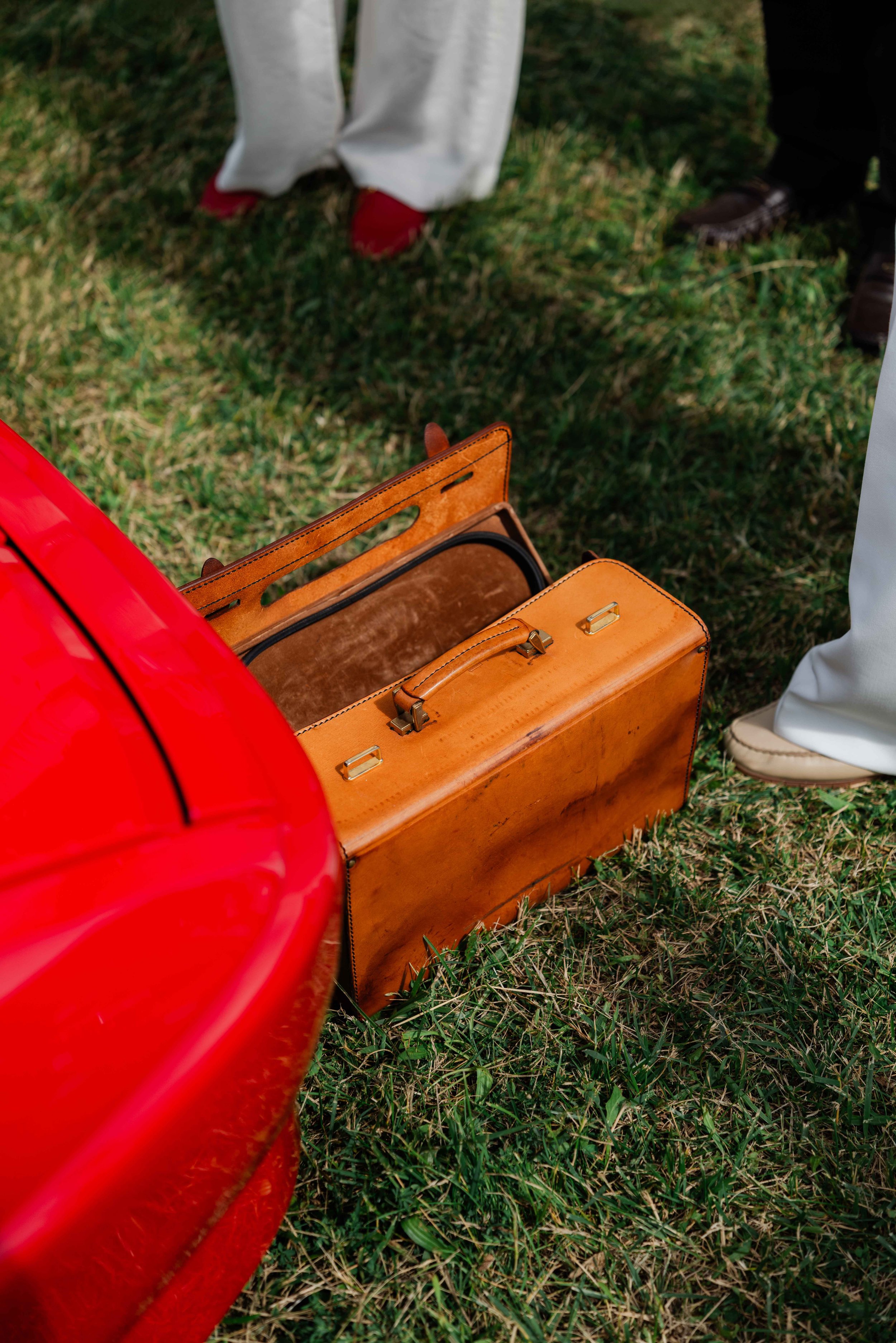
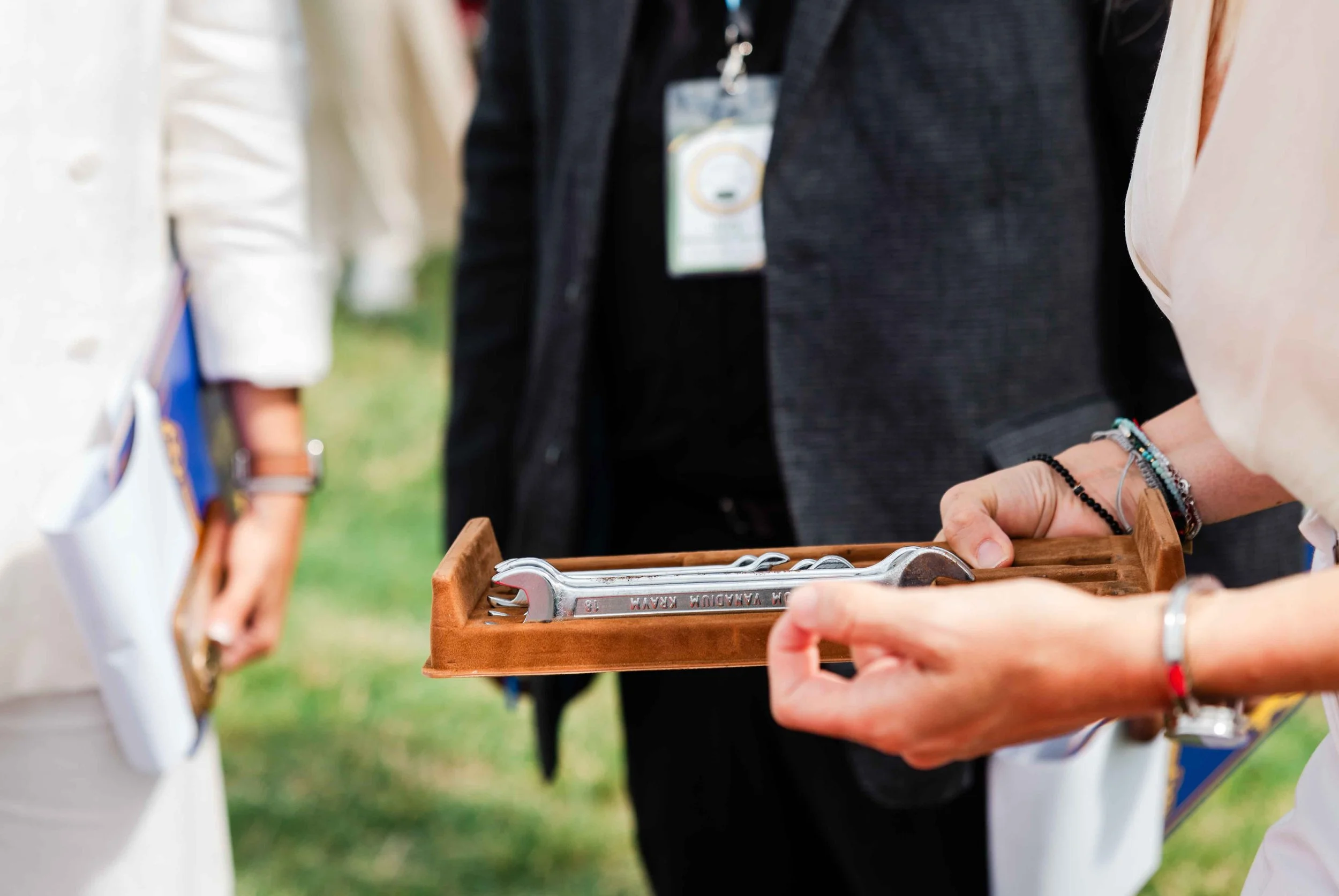
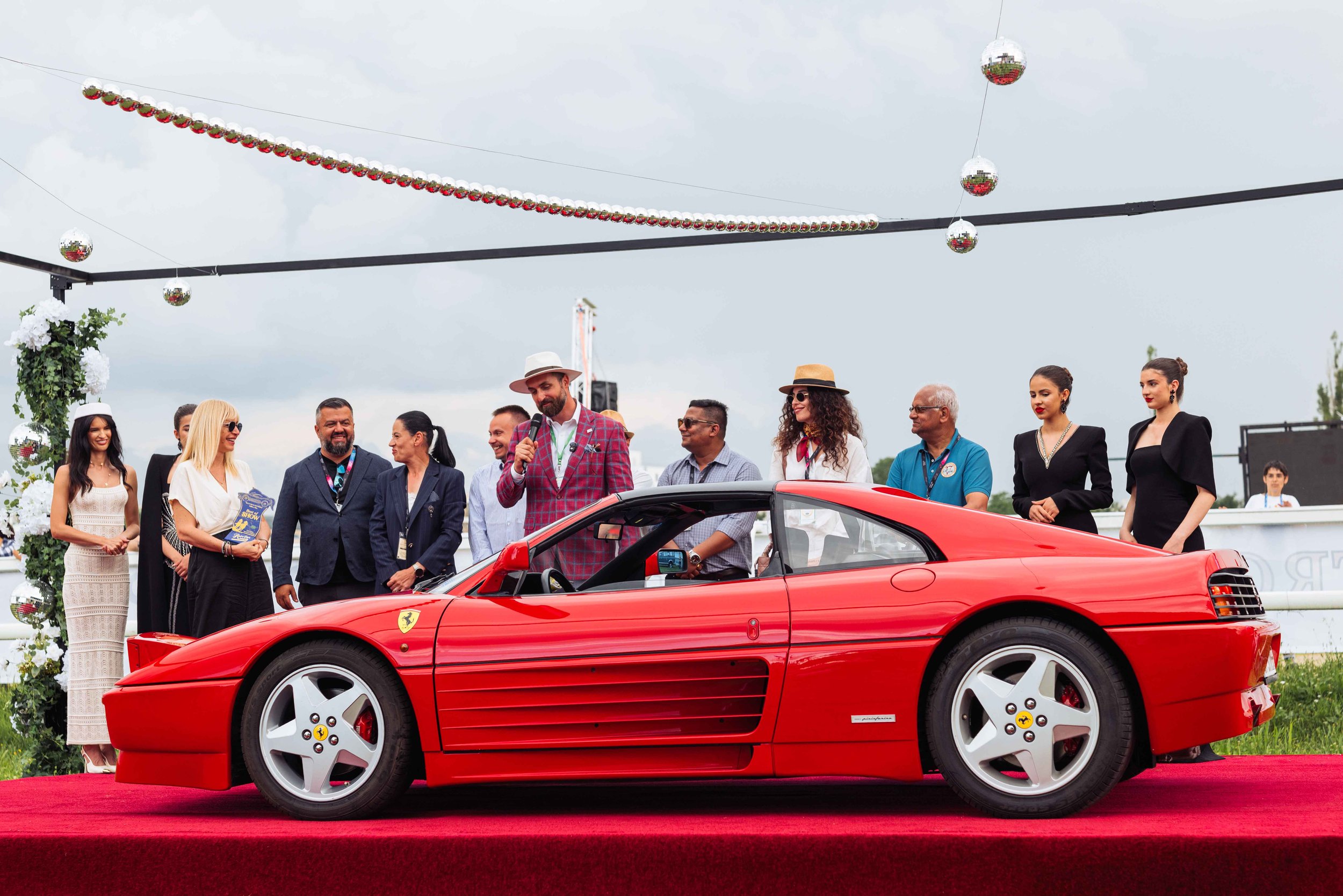
BEST OF SHOW
1992 Ferrari 348 TS
My sincere gratitude goes to Gautam Sen, Paul Stama, Cristian Vladimirescu, Alin Stama, Cristina Stoica and the entire Retro Cars Romania team for their warm hospitality and for giving me the opportunity to be part of such an unforgettable experience. I look forward to returning—not only as a juror, but as a lifelong admirer of the people and the passion that make this remarkable event possible. Special thanks to my dear friend Sanket Patel for these brilliant images. For more insight on the event entries, please visit here